The Africa Public Health Foundation (APHF) has reaffirmed its commitment to advancing African-led partnerships, coordinated financing and sustainable health systems as essential drivers in addressing sickle cell disease across the continent.
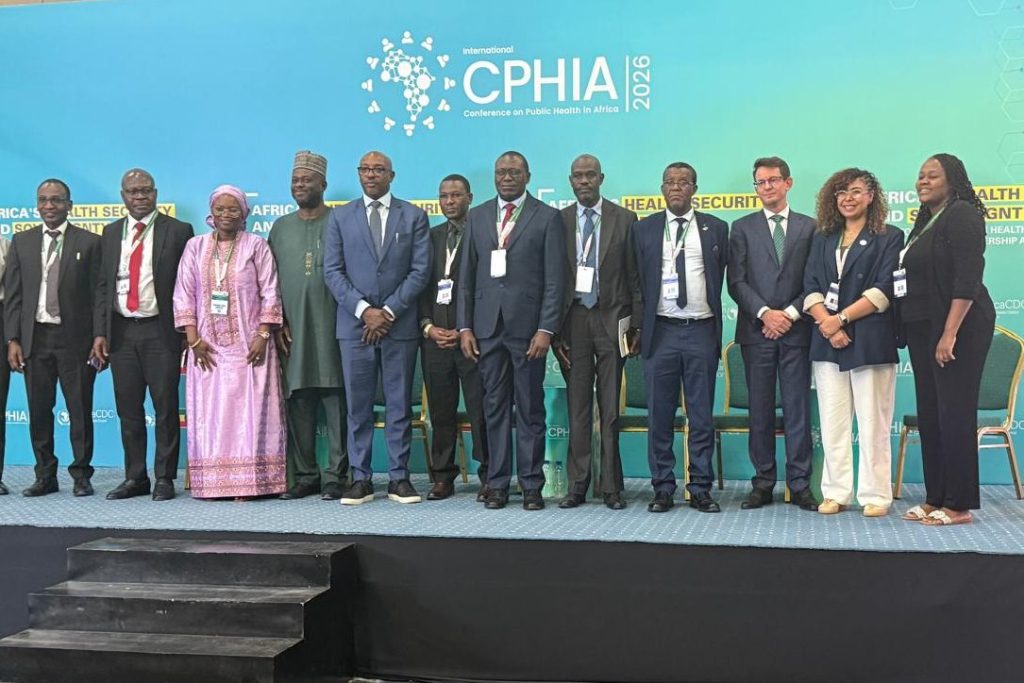
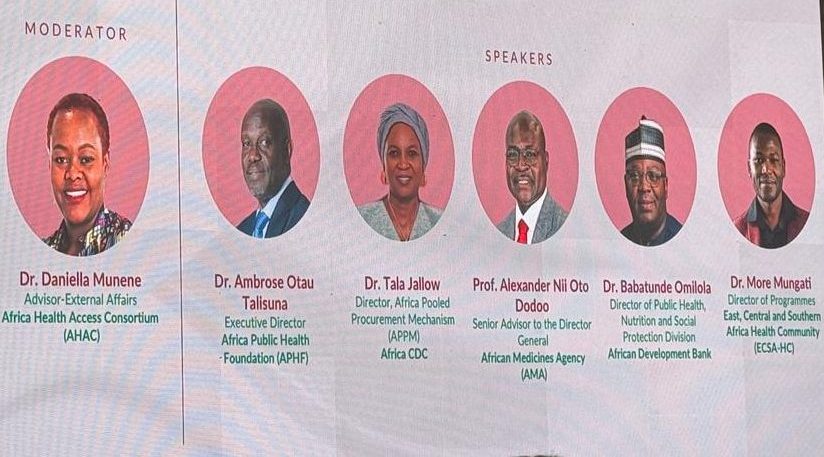
Speaking at a high-level side event held on the margins of the 2026 Conference on Public Health in Africa (CPHIA 2026), under the theme “From Plan to Patients: Implementing Africa CDC’s Continental Plan with a Specific Focus on Sickle Cell Disease,” our Chief Executive Officer, Dr Ambrose Talisuna, called for the establishment of an African Coalition for Sickle Cell Disease to bring together governments, development partners, philanthropic organisations, technical institutions and the private sector around a coordinated continental response.
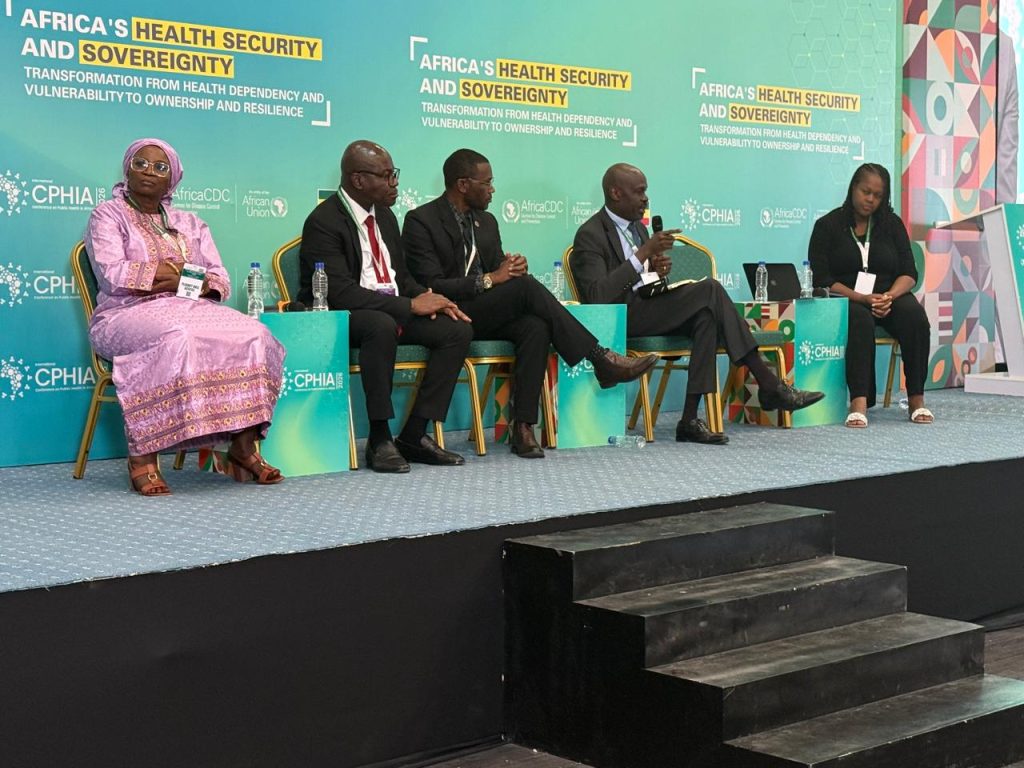
When he was invited to share the Foundation’s perspective on how a coordinated financing mechanism could bring together governments, philanthropy and the private sector to support implementation of the Continental Plan. He made reference to the lessons drawn from the roll back Malaria partnership, established in the late 1990s, where he demonstrated how a structured coordination mechanism would align stakeholders, reduce fragmentation and create a foundation for sustained financing and country-level implementation. He cautioned that without coordination, catalytic resources risk supporting fragmented interventions rather than advancing shared continental priorities.
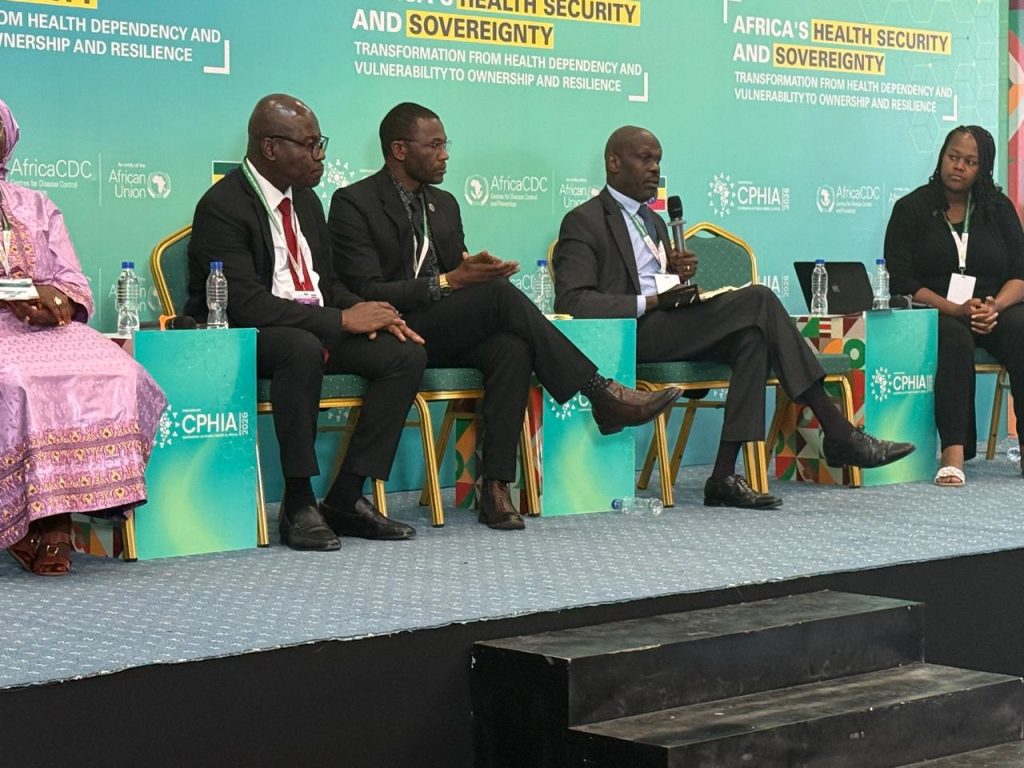
Dr Talisuna proposed the establishment of an African Coalition for Sickle Cell Disease, with its secretariat hosted by Africa CDC, bringing together key stakeholders to coordinate resource mobilisation, technical support, implementation and accountability. He emphasised that catalytic financing should provide the initial impetus for countries to scale up interventions while progressively strengthening domestic financing and ownership.
“Let’s move plans to action! And create an African Coalition for Sickle Cell Disease, bringing governments, philanthropy and the private sector together to coordinate financing, technical support and country-level implementation, Let us move together from planning to patient care.”
~Dr Ambrose Talisuna
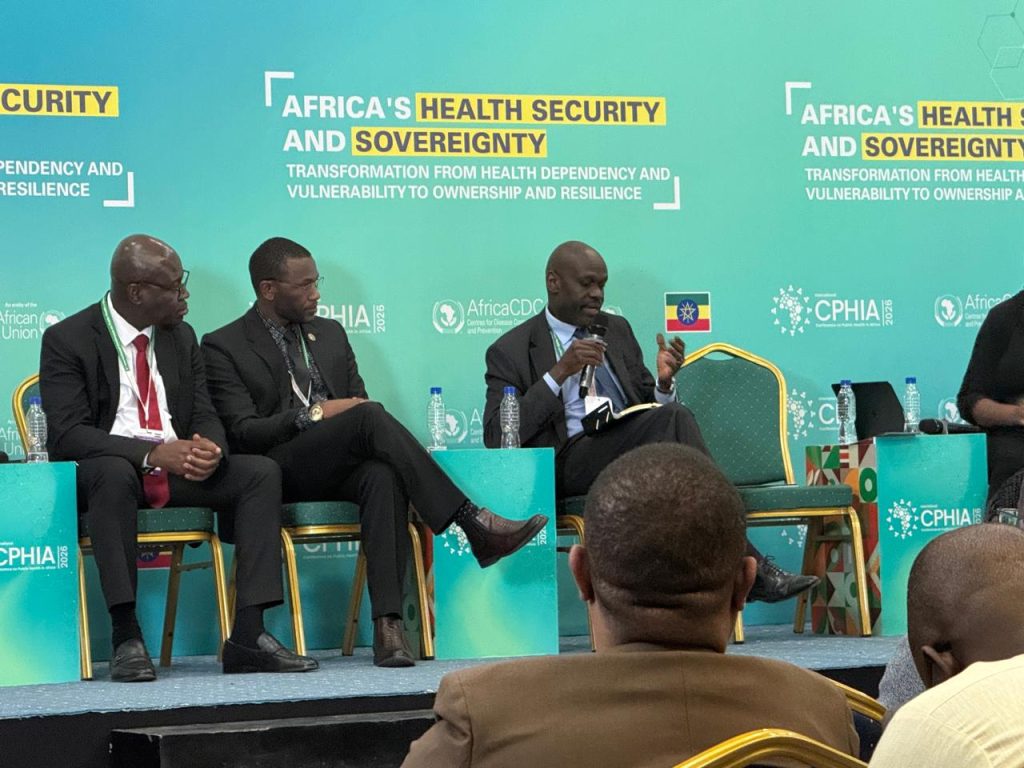
He also stressed that sickle cell disease must not become another vertical health programme. Instead, interventions should be integrated into broader health systems, including primary healthcare, hospital-based case management, healthcare worker training, procurement and supply chain management, and access to essential medicines.
As a practical next step, he called for the establishment of a task team to advance the proposed coalition, identify the necessary technical working groups and develop a roadmap for collective action.He concluded with a powerful message to development partners and stakeholders:
“We are building this house; we can’t compete for the bricks.”
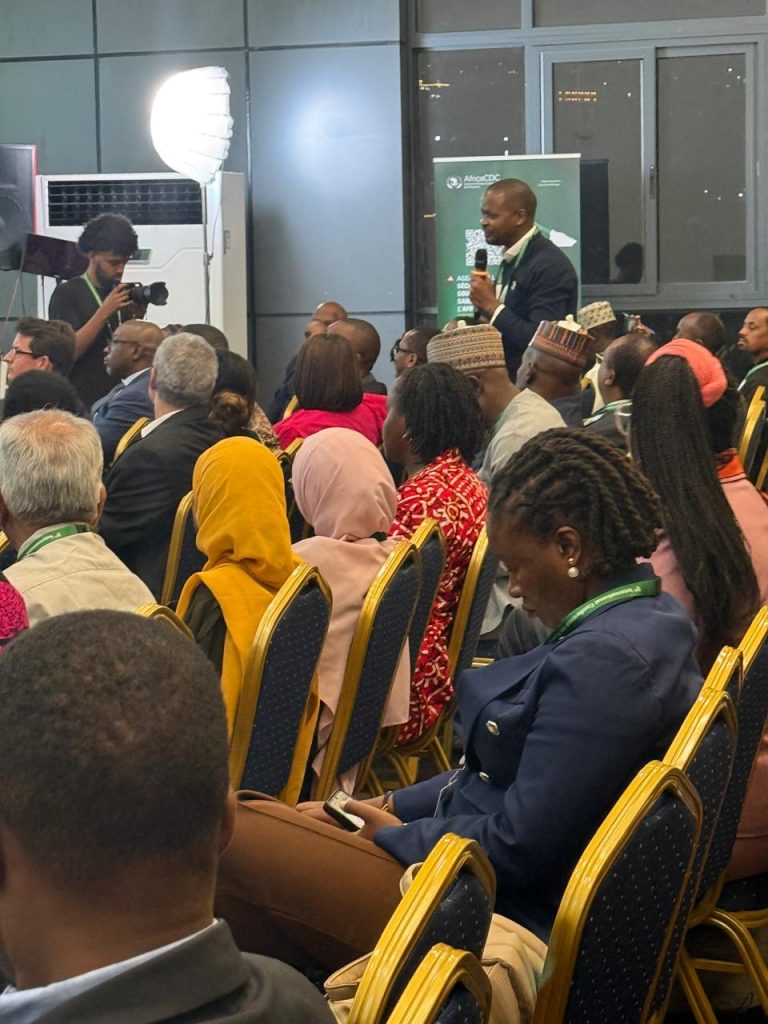
From continental commitments to country-level action
The side event brought together government representatives, regional health institutions, development finance partners, technical experts and private sector organisations to explore practical approaches to implementing Africa CDC’s ten-year continental plan on Sickle Cell Disease and Other Inherited Blood Disorders.
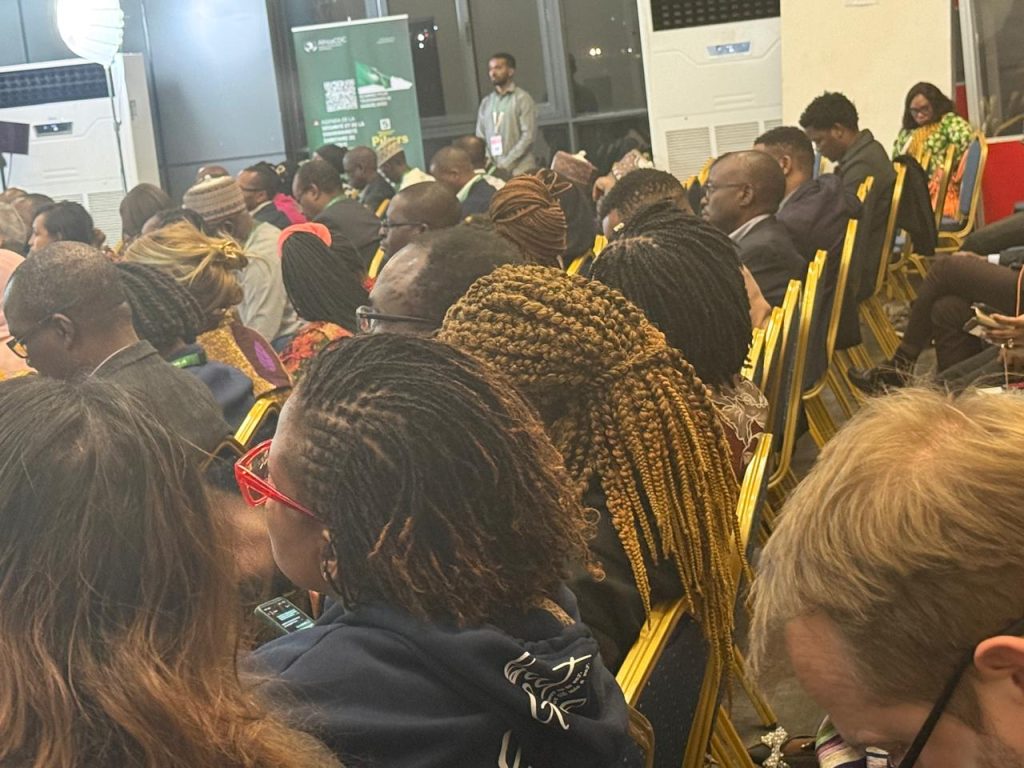
Discussions highlighted the urgent need to move beyond policy commitments towards accessible, integrated and sustainable services for people living with sickle cell disease.The opening contributions emphasised the importance of harmonising national policies, clinical guidelines, screening protocols and procurement systems to ensure consistent standards of care across countries. Regional collaboration was also identified as essential in facilitating knowledge exchange, sharing successful country experiences and strengthening technical capacity.
Representatives of Zimbabwe and Zambia shared their respective national experiences, highlighting progress in health system strengthening while acknowledging persistent challenges, including limited screening coverage, shortages of specialised healthcare workers, inadequate access to essential medicines and gaps in sustainable financing.
Africa CDC, represented by Dr Mohammed Abdulaziz, Head of the Division of Non-Communicable Diseases, Injuries and Mental Health, outlined the Continental Plan’s strategic direction, including strengthening political commitment and governance, health information systems, access to essential commodities, and healthcare workforce capacity and service delivery.
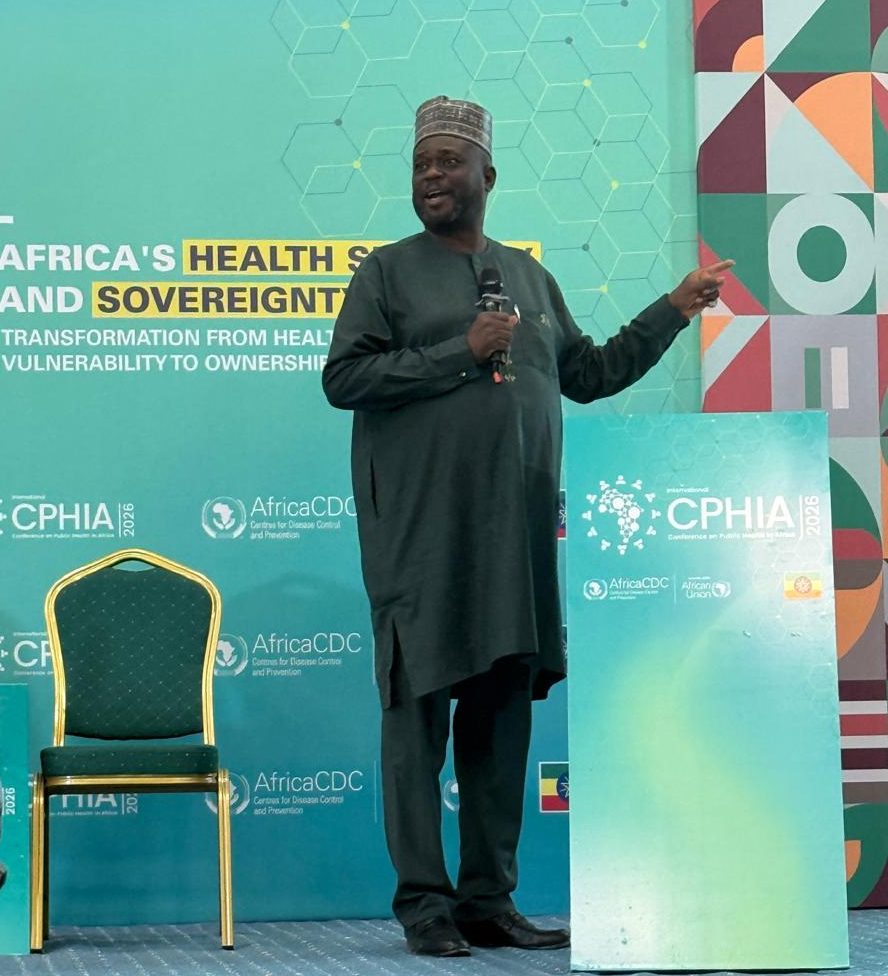
The African Development Bank further highlighted the importance of blended financing approaches that combine domestic public resources, development finance and private sector investment. It emphasised that sickle cell disease services must be integrated into existing health systems and national health insurance arrangements rather than financed as isolated programmes.
Strengthening implementation through African-led solutions
The event also showcased the Imara Sickle Cell Framework, an African-led implementation approach developed through consultations involving governments, experts, civil society and patient groups in Kenya, Uganda and Côte d’Ivoire. Presented by Terumo Blood and Cell Technologies, the framework provides a practical patient-centred approach spanning awareness creation, screening, diagnosis, referral, treatment, advocacy and health systems strengthening.The discussions reinforced the need to build on existing initiatives, align partner investments and ensure that country-level programmes contribute to a shared continental agenda.
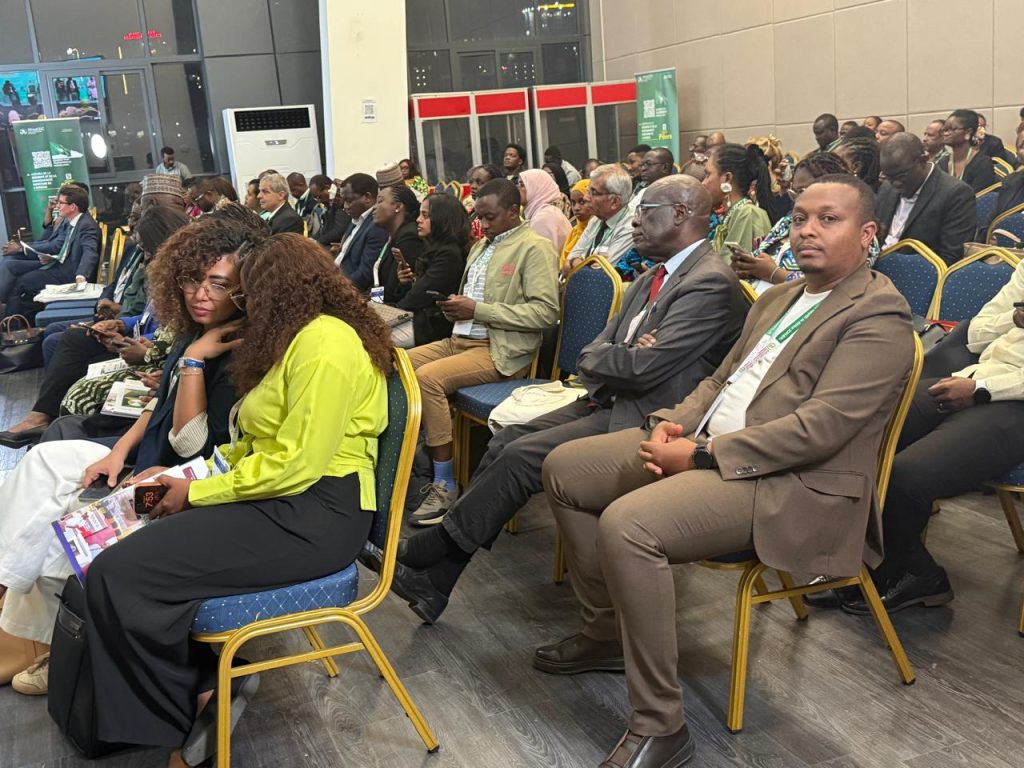
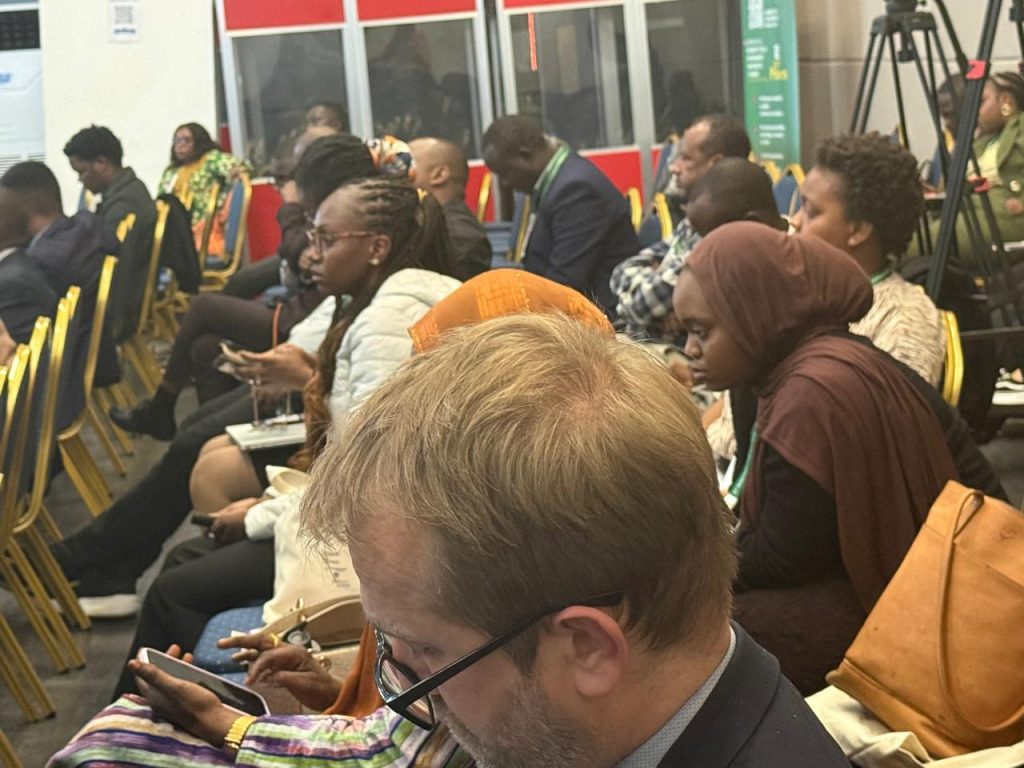
A central message emerged from the engagement: Africa already has the policy direction, technical expertise and growing partnerships needed to address sickle cell disease. The priority now is to coordinate these efforts, mobilise sustainable financing and ensure that commitments translate into tangible improvements in patient care.
Through its convening and resource mobilisation mandate, APHF remains committed to supporting African CDC and its partners in advancing collaborative, country-led and sustainable solutions for Africa’s health priorities.