APHF and Terumo Explore Strategic Partnership to Advance Sickle Cell Disease Care Across Africa
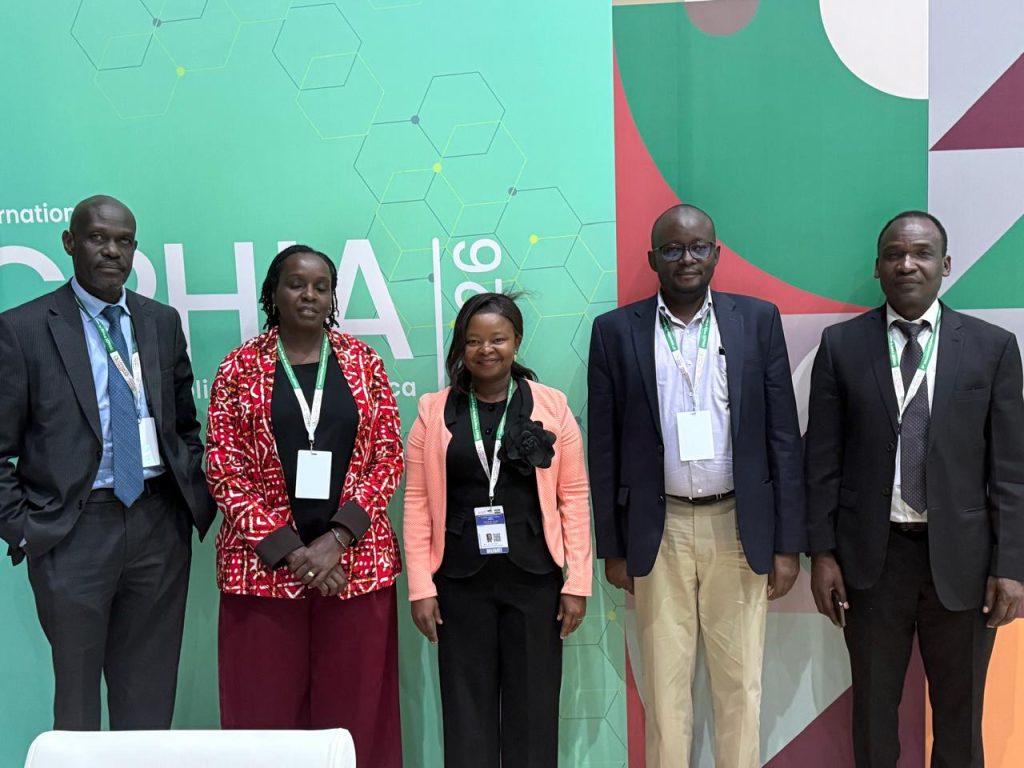
The Africa Public Health Foundation (APHF) has engaged Terumo in discussions on potential areas of collaboration to strengthen sickle cell disease prevention, diagnosis and treatment across Africa. The engagement focused on strengthening continental collaboration, mobilising sustainable financing and expanding access to innovative technologies and essential treatments for people living with sickle cell disease. The meeting explored opportunities to align private-sector innovation, continental public health priorities and resource mobilisation efforts to improve access to quality and affordable sickle cell disease services, particularly in countries with a high disease burden.
Terumo, a global medical technology company, presented its expertise blood collection, processing and transfusion technologies, including automated red blood cell exchange. This technology offers an important treatment option for people living with sickle cell disease, particularly those experiencing severe complications and requiring more advanced interventions. The technology can also support patients preparing for bone marrow transplant. Red blood cell exchange helps remove abnormal sickled red blood cells and replace them with healthy donor red blood cells. This can reduce complications associated with the disease, including the risk of stroke, and improve the quality of life for eligible patients.
Building on African-led approaches to sickle cell disease
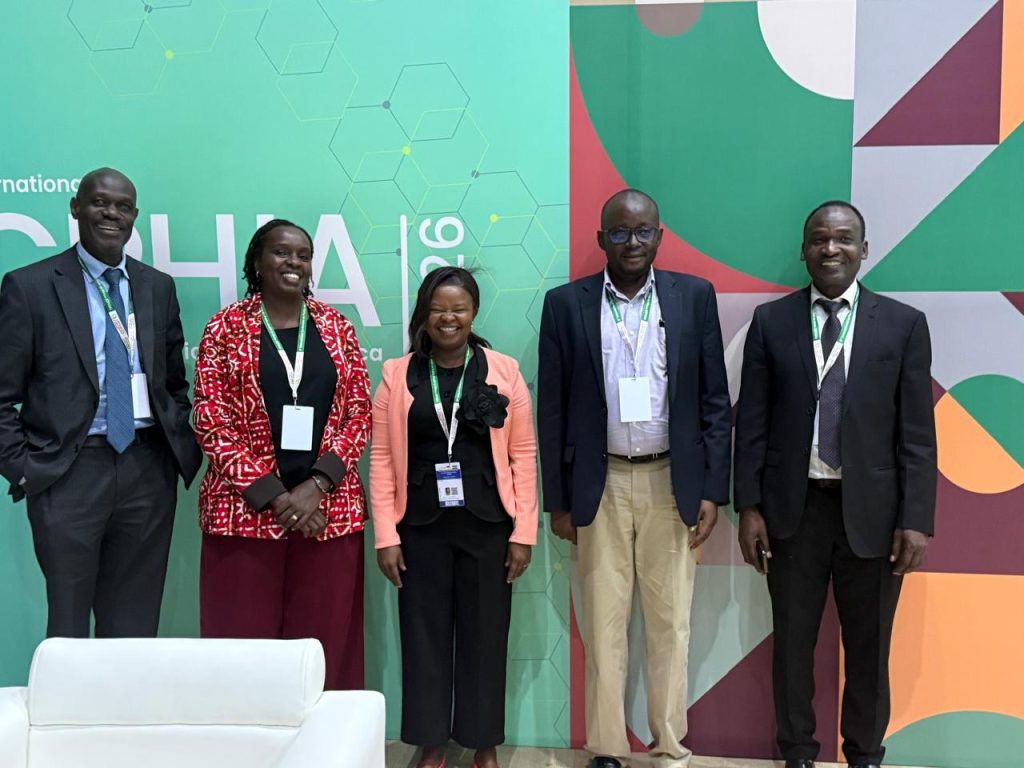
The discussions also highlighted the importance of aligning existing initiatives with the Africa CDC Continental Strategy on Sickle Cell Disease. Terumo presented their IMARA framework, an African-led approach developed through consultations involving government representatives, healthcare professionals, researchers, civil society organisations and patient groups. The framework provides an integrated approach to sickle cell disease care across primary, secondary and tertiary healthcare levels, complemented by advocacy, resource mobilisation, monitoring and evaluation.
Its implementation focuses on improving public awareness, expanding screening and early diagnosis, strengthening referral pathways, building healthcare workers’ capacity and improving access to essential medicines and specialised treatment. The IMARA initiative has already supported implementation activities in Kenya and Uganda, including community screening, healthcare provider engagement and strengthening coordination with national health institutions. Participants recognised the importance of building on existing initiatives rather than creating parallel programmes, with opportunities to expand successful approaches across additional high-burden African countries.
Mobilising resources and expanding access to innovative treatment

A central theme of the engagement was the need to address persistent financing and affordability barriers that limit access to essential sickle cell disease services.While innovative technologies such as automated red blood cell exchange offer significant clinical benefits, access remains limited by the cost of equipment, treatment and associated healthcare services. The discussion explored opportunities for strategic collaboration with the private sector to improve affordability, including potential price negotiations, increased demand through national health programmes and the integration of appropriate technologies into national treatment policies. Participants also discussed developing country-level investment cases to demonstrate the value of investing in sickle cell disease prevention, diagnosis and treatment. These could help mobilise resources from governments, development partners and global financing institutions, including exploring opportunities through the Global Fund.
The potential intersection between sickle cell disease and malaria programming was also highlighted, particularly given their overlapping geographical burden and shared impact on vulnerable populations, including children and pregnant women. Integrating relevant interventions where appropriate could create opportunities to maximise existing health investments and improve patient outcomes.
Towards a coordinated continental partnership & Advancing equitable access to sickle cell care

An important outcome of the discussion was the proposal to explore a coordinated continental coalition bringing together Africa CDC, APHF, private-sector partners, patient organisations, technical institutions and development partners. Such a platform could help align existing initiatives, coordinate advocacy, mobilise resources and support implementation of the continental sickle cell disease strategy. The proposed approach would also explore identifying priority or pathfinder countries where partners could work together to develop investment cases, strengthen treatment services and demonstrate scalable models for national ownership.
APHF’s role in supporting strategic partnerships, resource mobilisation and coordination was recognised as an important opportunity to help translate continental commitments into practical investments and sustainable country-level programmes.
The engagement reaffirmed the importance of bringing together governments, development partners, private-sector innovators and African institutions to address the growing burden of sickle cell disease. For APHF, building these partnerships is part of a broader commitment to strengthening African-led health solutions, mobilising sustainable investments and supporting resilient public health systems. Through innovation, financing and coordinated action, Africa can accelerate progress towards ensuring that people living with sickle cell disease have access to timely diagnosis, quality treatment and improved health outcomes.


