As Africa advances its health security and sovereignty agenda, a new research initiative is examining how sustainable financing, and stronger institutions can ensure that pandemic preparedness is built into health systems long before the next emergency strikes.What if countries did not have to scramble for resources every time a public health emergency occurred? What if the institutions responsible for protecting populations were adequately equipped, financed and prepared to respond while maintaining essential health services?
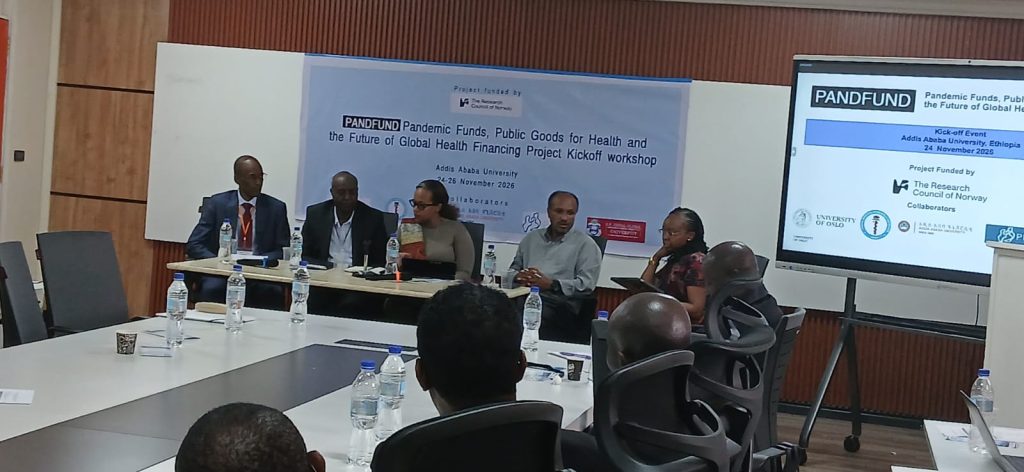
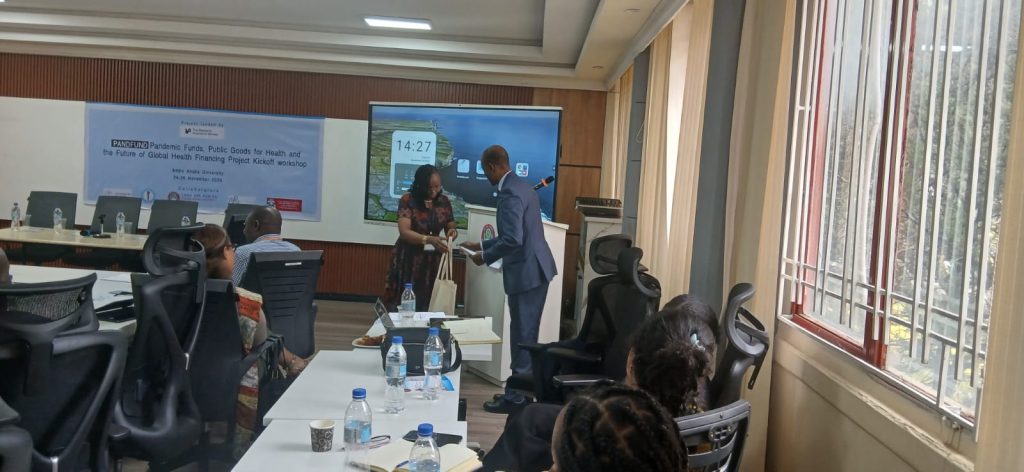
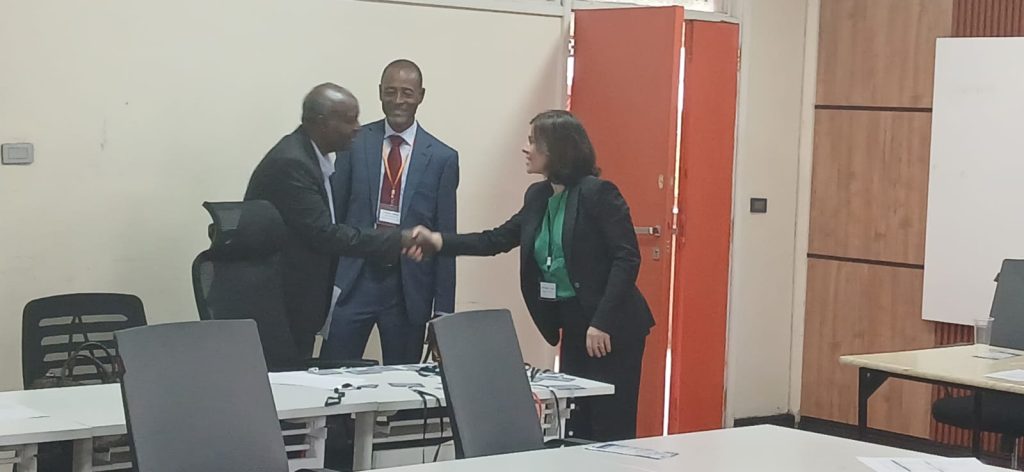
These questions took center stage yesterday, 24 November 2026, at Addis Ababa University, where PANDFUND – Pandemic Funds, Public Goods for Health and the Future of Global Health Financing was officially launched on the sidelines of the 5th Conference on Public Health in Africa (CPHIA 2026).
The launch comes at a particularly significant moment for Africa. Under the CPHIA 2026 theme, Africa’s Health Security and Sovereignty: Transformation from Health Dependency and Vulnerability to Ownership and Resilience, the continent is intensifying conversations around sustainable health financing, stronger institutions and greater ownership of its public health priorities.
Led by Dr. Jacinta Victoria Muinde of the University of Oslo and funded by the Research Council of Norway, PANDFUND seeks to generate evidence on how pandemic financing mechanisms can move beyond short-term emergency interventions to support lasting institutional capacity and resilient health systems.
Building preparedness beyond the emergency
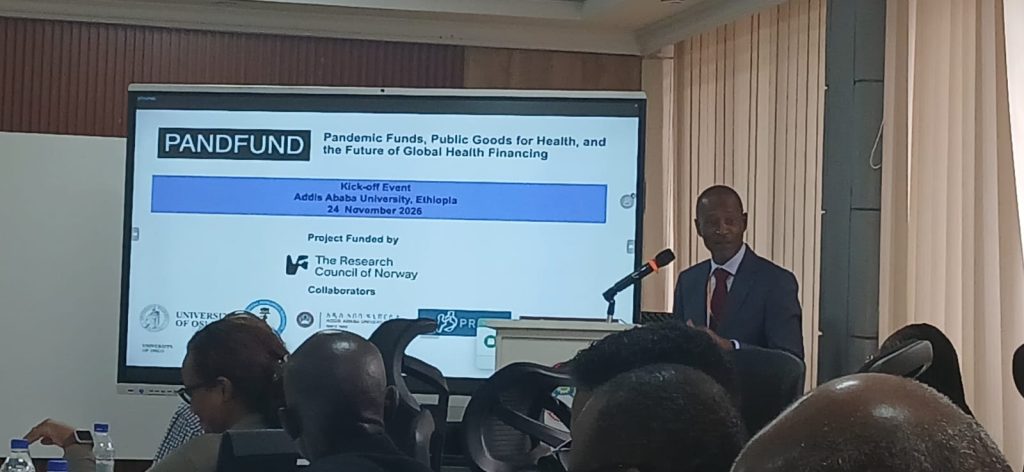
Delivering the keynote address at the launch, our council member Dr. Francisco Songane, emphasised that emergency response, institutional capacity and access to resources are deeply interconnected. Drawing attention to the ongoing Ebola outbreak in the Democratic Republic of the Congo (DRC), Dr. Songane highlighted how delayed responses, fragile health systems and armed conflict can compound public health emergencies, underscoring the need for interventions that are responsive to realities on the ground. He also stressed the importance of research in identifying appropriate interventions and informing more effective responses.
“Responding to an emergency can’t continue to be a one-off exercise but embedded in institutional capacity building.”
~ Dr. Francisco Songane
His message reinforced a critical shift in thinking: “preparedness must not be treated as an activity that begins when an outbreak is declared. It must be a continuous investment in the institutions, systems and resources that make an effective response possible”.
Examining the future of pandemic financing
PANDFUND will examine three important financing mechanisms: the World Bank’s Global Pandemic Fund, Africa CDC’s Africa Epidemics Fund and the Africa Public Health Foundation.The research will explore how these mechanisms can contribute to: a) Strengthening domestic health systems and institutional capacity b) Catalysing domestic and private-sector co-investment, c) Mobilising innovative and sustainable financing for pandemic prevention, preparedness and response and d) Ensuring financing mechanisms are better aligned with the evolving demands of public health emergencies.
The project will undertake in-depth research in Ethiopia and Kenya, bringing together an interdisciplinary team from Norway, Kenya, Ethiopia and India.
Advancing Africa’s health security and sovereignty
The PANDFUND launch adds to the broader continental dialogue at CPHIA 2026 on how Africa can take greater ownership of its health future through sustainable financing, stronger institutions and African-led solutions.As public health threats become increasingly complex, the ability to respond effectively will depend not only on the availability of emergency funding but also on the strength of the systems in place before a crisis unfolds.
By generating evidence on how pandemic financing can deliver lasting public health value, PANDFUND seeks to contribute to a future where preparedness is institutionalised, resources are mobilised more effectively, and health systems are better equipped to withstand emerging threats.
The message is clear: Africa cannot afford to finance preparedness only when emergencies strike. Resilience must be built, financed and sustained every day.