Central Public Health Laboratories (CPHL) together with Africa Centre for Disease Control and Prevention (Africa CDC) and Africa Public Health Foundation (APHF) entered into a sub-agreement for a project to build the national diagnostic capacity for Vibrio (V) Cholerae, and Klebsiella (K) pneumoniae rapid and molecular diagnostics as well as genomic capacity for a resilient and sustainable public health surveillance and response in Uganda.
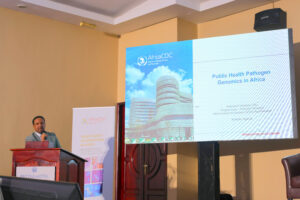
Strategically, the project aims to support routine surveillance of V. Cholerae cases in refugee settlements point of entry and hotspot districts of Uganda. In addition, it will support environmental surveillance of V. Cholerae in epidemiologically mapped geographic locations during and post outbreaks; and to genotype archived isolates of K pneumoniae and Escherichia (E). coli in Uganda. Another objective is to strengthen routine surveillance of K. pneumoniae and E. coli infections among neonates in Uganda.
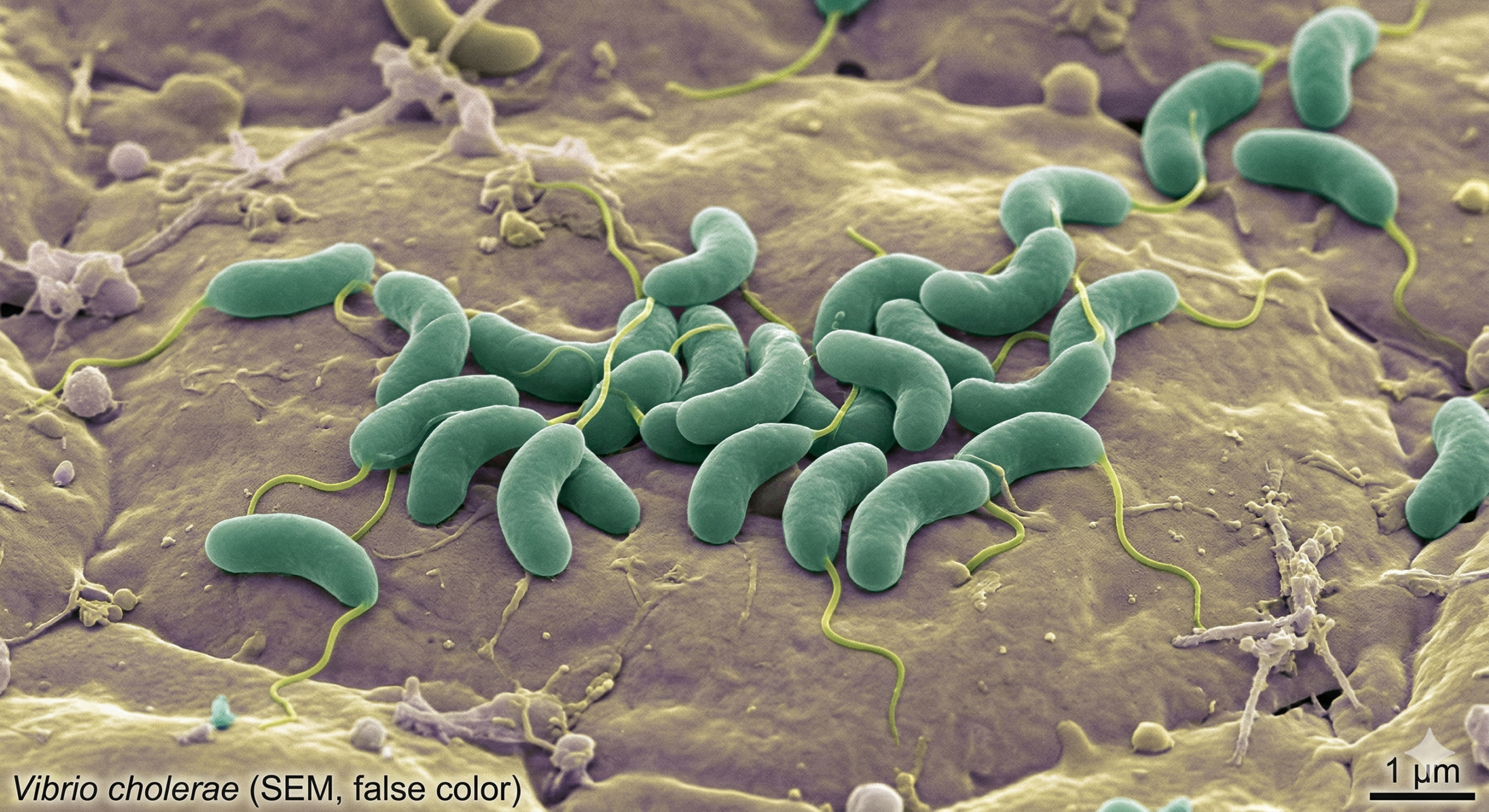
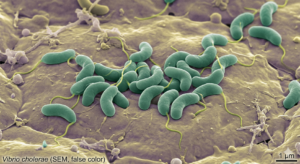 Cholera, caused by V. Cholerae, is a significant health concern, particularly in Uganda, which experienced a notable outbreak in 2019. The bacteria have over 200 serogroups, with O1 and O139 being the most commonly associated with outbreaks. Control measures include rehydration therapy, antibiotics, oral cholera vaccines, and improving water, sanitation, and hygiene conditions. The Global Roadmap aims to eliminate cholera by 2030 by focusing on outbreak prevention and reducing mortality. Diagnosis traditionally involves microbiological culture, but new methods like Polymerase Chain Reaction (PCR) and Rapid Diagnostic Tests (RDTs) of fer quicker results despite limitations in resource-poor settings. Genomic surveillance, including Whole Genome Sequencing (WGS), provides crucial insights into transmission and pathogen properties, though its use in cholera surveillance is still limited.
K. pneumoniae, a multidrug-resistant bacterium, poses an escalating threat, especially in neonatal care units, due to the emergence of Extended-spectrum beta-lactamases (ESBL) and carbapenem-resistant strains, which complicate treatment and increase mortality. Expanded genomic surveillance is urgently needed to identify vaccine targets and inform effective infection control strategies. This project aims to leverage COVID-19 pandemic investments to enhance genomic surveillance of K. pneumoniae and E. Coli in Uganda, addressing critical gaps in Africa.
Efforts in Uganda include integrating genomic surveillance into health measures, with the establishment of the Genomic Core Laboratory at the CPHL. The project aims to boost Uganda’s capacity for rapid diagnostics of V. cholerae, K.pneumoniae, and E. coli, as well as enhance genomic surveillance for a resilient public health response. Analyzing genomic data will identify lineages, virulence factors, and resistance genes, improving diagnostic capabilities and public health interventions against multidrug-resistant pathogens.
Regarding routine genotyping of V. Cholerae, Uganda declared a Cholera outbreak in the Lamwo district on January 14th, 2025, following confirmed cases, marking a continuation of reported outbreaks in the years spanning 2019 to 2024. By January 27th, 2025, the outbreak had reached 42 confirmed cases. To understand the genetic characteristics and potential origins of this recent surge, genomic investigations were conducted on the Vibrio Cholerae isolates from the initial eight culture-confirmed cases referred to the National Microbiology Reference Laboratory. This analysis aimed to elucidate their genetic relatedness and antimicrobial resistance (AMR) profiles by comparing them with existing genomic data from previous cholera outbreaks in Uganda during 2020, 2023, and 2024. Comparative genomic analysis indicated a strong link between the Lamwo isolates and those from the 2023 Kayunga outbreak. Specifically, the Lamwo isolates exhibited closer phylogenetic relatedness to the Kayunga isolates than to those from the 2024 Kyotera outbreak. These findings strongly suggest a potential epidemiological connection between the Lamwo outbreak and the 2023 Kayunga outbreak, warranting further investigative epidemiology to trace potential contamination sources and explore links to the ongoing cholera outbreak in neighboring South Sudan, considering factors like cross-border movement and shared environmental resources.
Genomic investigations in Uganda have provided critical insights into both K. pneumoniae and V. cholerae infections, significantly impacting prevention, control, and response efforts. For K. pneumoniae, the identification of highly drug-resistant strains like ST307, the presence of novel sequence types suggesting ongoing evolution, and the prevalence of AMR genes and plasmids highlight the urgent need for enhanced surveillance, robust antimicrobial stewardship, and strengthened infection prevention and control measures to curb the spread of these multi-drug-resistant organisms. Understanding the potential for horizontal gene transfer further emphasizes the importance of these proactive strategies.
In the context of a Cholera outbreak in Lamwo, genomic analysis revealed a strong link to a previous outbreak, providing valuable information for targeted preventative measures such as revisiting past interventions and tailoring public health messaging. During both K. pneumoniae and Cholera outbreaks, genomic data aids in real-time monitoring, identifying transmission clusters, and guiding appropriate antibiotic treatment based on resistance profiles. This evidence-based information enhances outbreak response by informing epidemiological investigations, resource allocation, and cross-border collaboration, ultimately leading to more effective strategies to mitigate the spread of these bacterial infections and protect public health in Uganda.
 To ensure sustainability of the project’s impact and scaling up its implementation in other regions, several key initiatives have already been set in motion. These include a comprehensive review of the national control plan and the diagnostic guidelines for Cholera, with an emphasis on molecular diagnostics for early detection and genotyping. Additionally, there is integration of information systems to facilitate the capture of genomics data. By capitalizing on the capacity developed at the sub-national level for Rapid Diagnostic Tests (RDTs) and at the national level for molecular diagnosis and genotyping, there is a laid solid foundation for future disease response.
Overall, the project will primarily build molecular and genomic-informed management of V. cholerae, and K. pneumoniae in Uganda and foster collaboration within the genomic consortiums in Africa and the Global efforts to improve future technical collaboration, coordination, and guidance vaccine deployment in endemic areas. This project is not just about managing a disease; it’s about fostering unity, sharing knowledge, and building a healthier future for the region.

Written by Eunice Chege
