Stakeholders convene to reflect on progress, share country experiences and shape the next phase of Africa’s continental response.
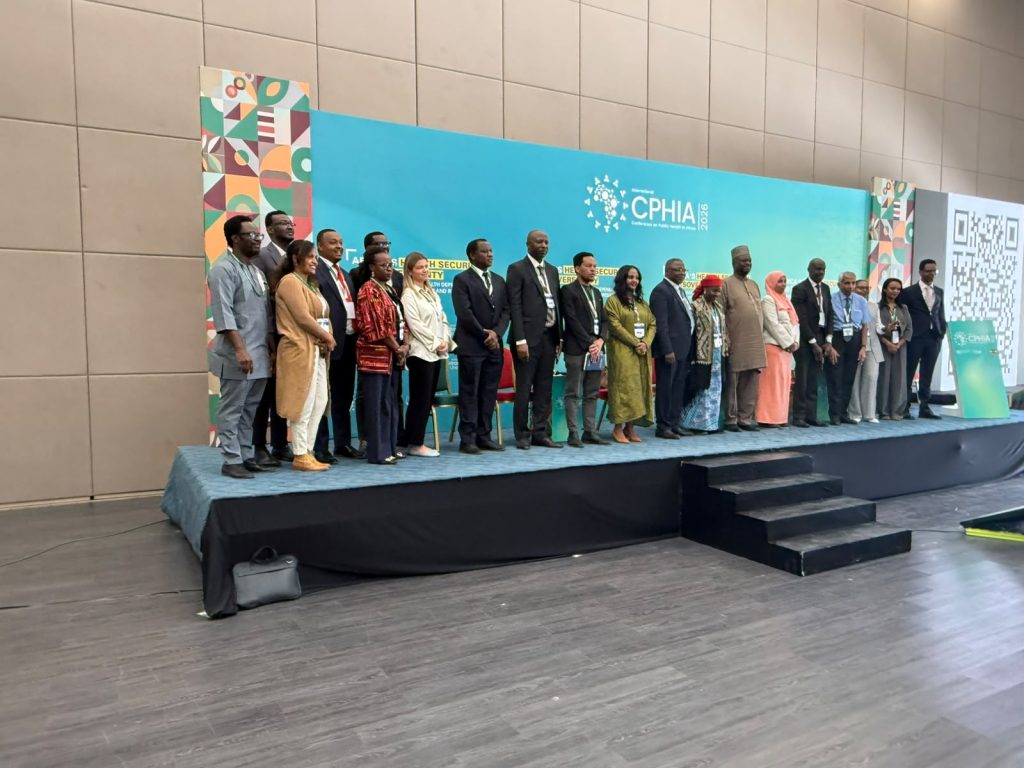
Africa’s response to non-communicable diseases (NCDs), injuries and mental health challenges must move beyond short-term projects towards stronger health systems, sustainable financing and country-led action. This was a key message from a high-level side event convened by the Africa Centres for Disease Control and Prevention (Africa CDC), bringing together representatives of Member States, development partners, civil society and people with lived experience.The session provided an opportunity to review progress made under the Africa CDC Continental Strategy for the Prevention and Control of NCDs, Injuries and Mental Health, reflect on implementation experiences and identify priorities for the next phase of the continental response.
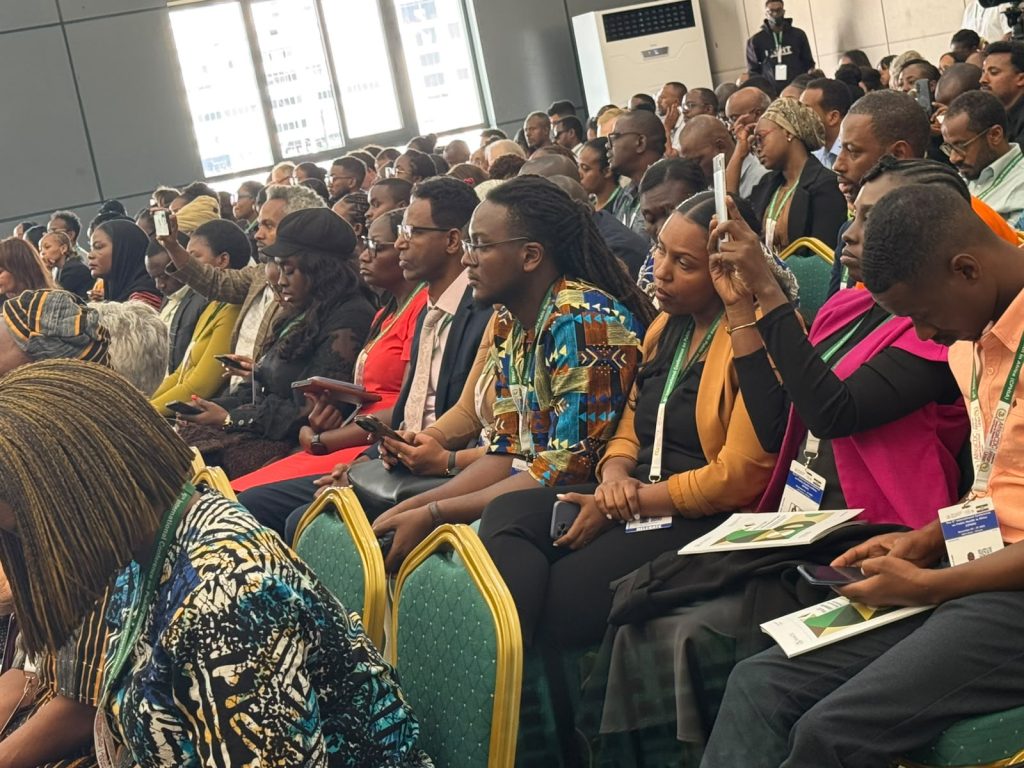
Discussions highlighted progress across Africa CDC’s flagship programmes, including the Strengthening Public Health Surveillance and Resilience Knowledge for NCDs, Injuries and Mental Health (SPARK-NCDs) initiative and the Mental Health Leadership Programme (MHLP). Participants also reflected on initiatives addressing sickle cell disease, mental health and psychosocial support in emergencies, and multisectoral coordination.A central theme was the importance of integrating NCD and mental health services into primary healthcare and national health systems.
Country representatives shared experiences on strengthening frontline health worker capacity, improving service delivery at community level, generating better health data and ensuring that programmes are embedded in national priorities, policies and budgets.The discussions also underscored the need to strengthen national ownership and leadership. Participants emphasised that programmes should build on existing country institutions and systems rather than operate as stand-alone interventions. Community engagement, civil society participation and the involvement of people with lived experience were identified as essential to designing effective and responsive services.
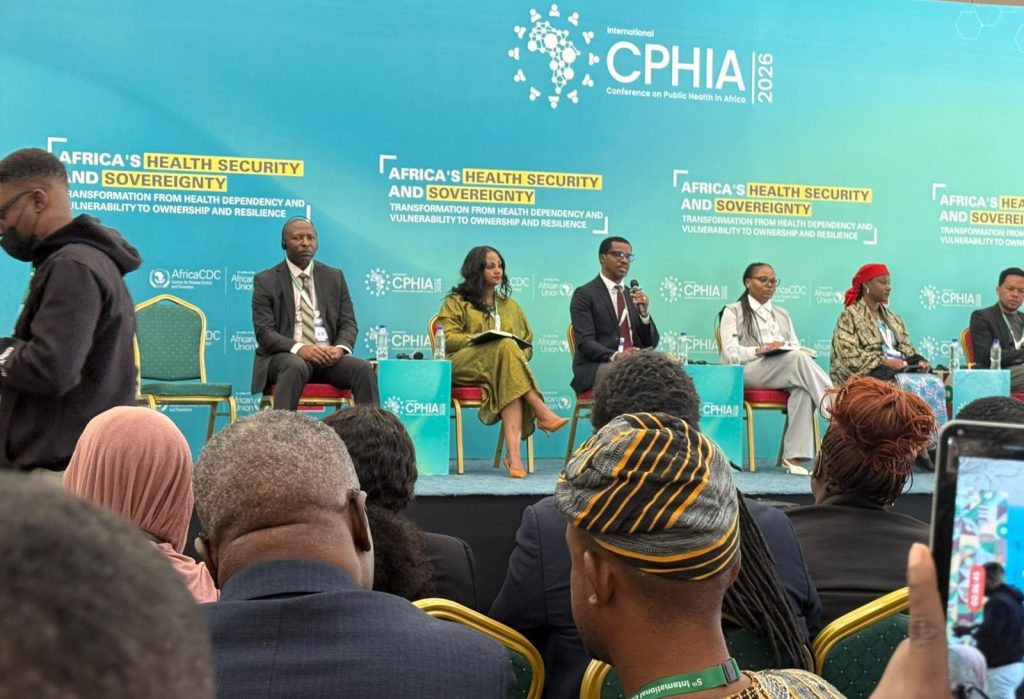
APHF calls for sustainable financing and stronger partnerships
Contributing to the partner reflections, Our CEO Dr Ambrose Talisuna, highlighted the importance of sustainable resource mobilisation in advancing Africa’s NCD and mental health agenda. He emphasised the need for catalytic financing that can unlock broader investments, strengthen existing national efforts and help programmes transition towards long-term sustainability. He also underscored the importance of partners complementing one another, avoiding duplication and aligning investments with African priorities. The discussion reinforced the role of strategic partnerships in supporting Member States to translate continental commitments into lasting improvements in health outcomes.
He completed his contribution with an African Proverb that says “A chattering bird builds no nest”. Which reminds us that we have to walk the talk to address the silent “epidemic” of NCD, injuries and mental health conditions.
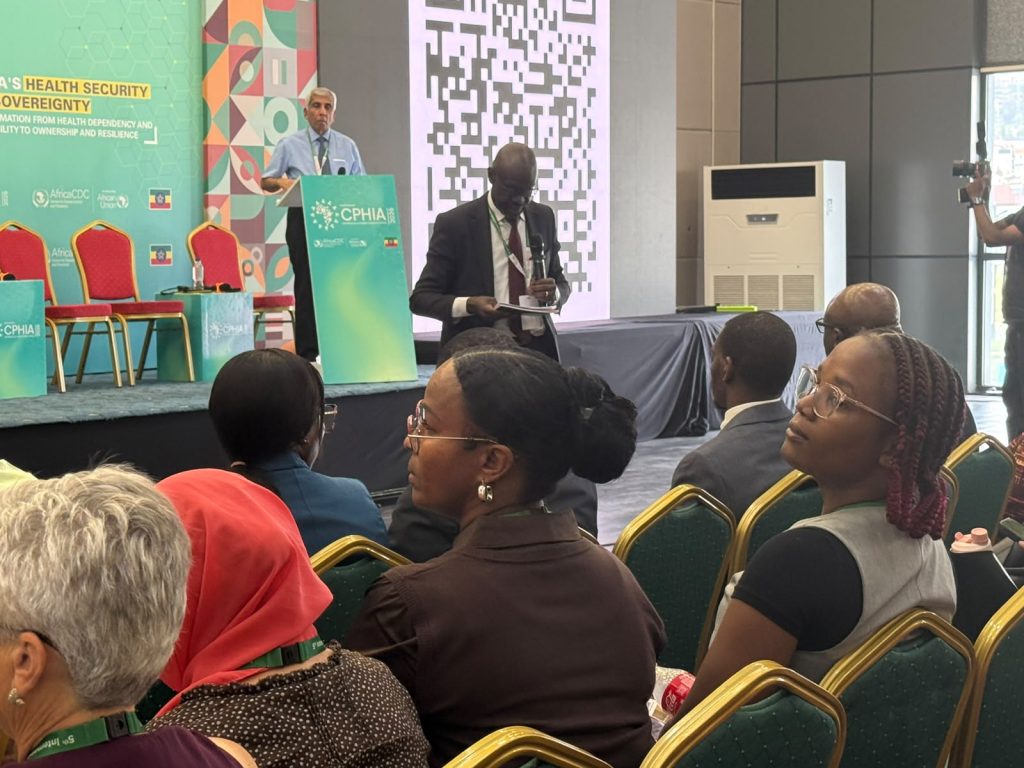
Shaping the next phase of Africa’s response
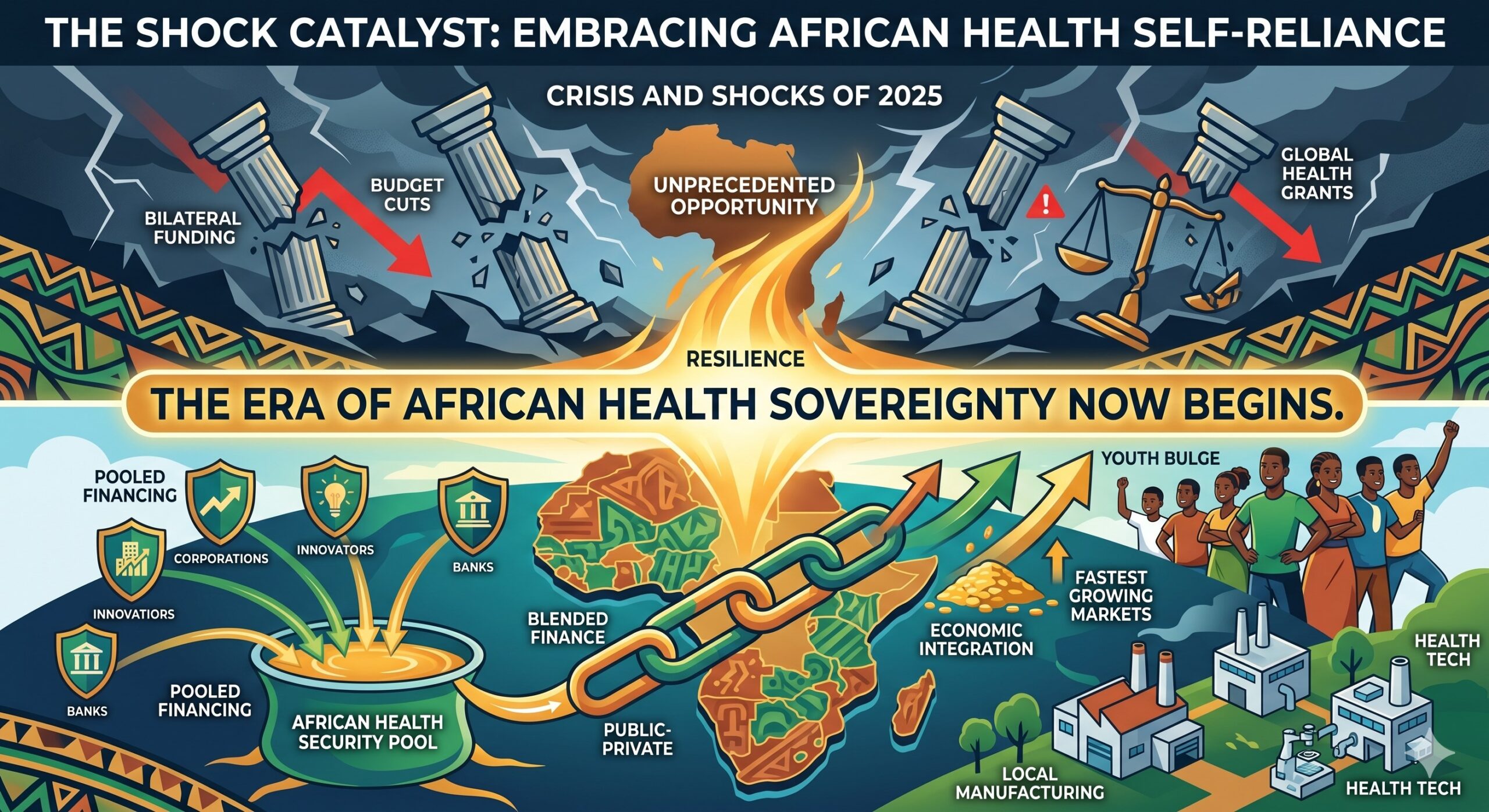
With the current continental strategy approaching its conclusion, participants stressed the importance of using lessons from implementation to inform the next strategic phase. Priorities identified included stronger health systems, sustained investment in the public health workforce, improved evidence generation, integrated primary healthcare services and greater domestic financing. The session reaffirmed that addressing NCDs, injuries and mental health is central to advancing Africa’s health security and sovereignty. Sustained progress will require African leadership, strong national ownership and coordinated partnerships that support long-term impact.
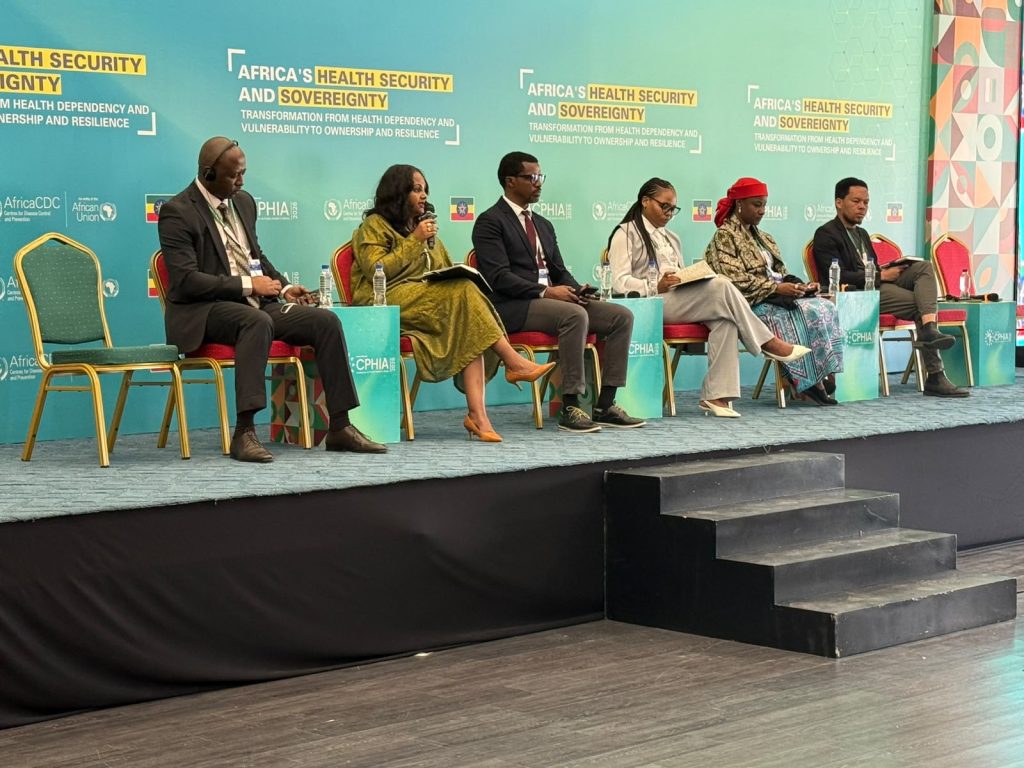
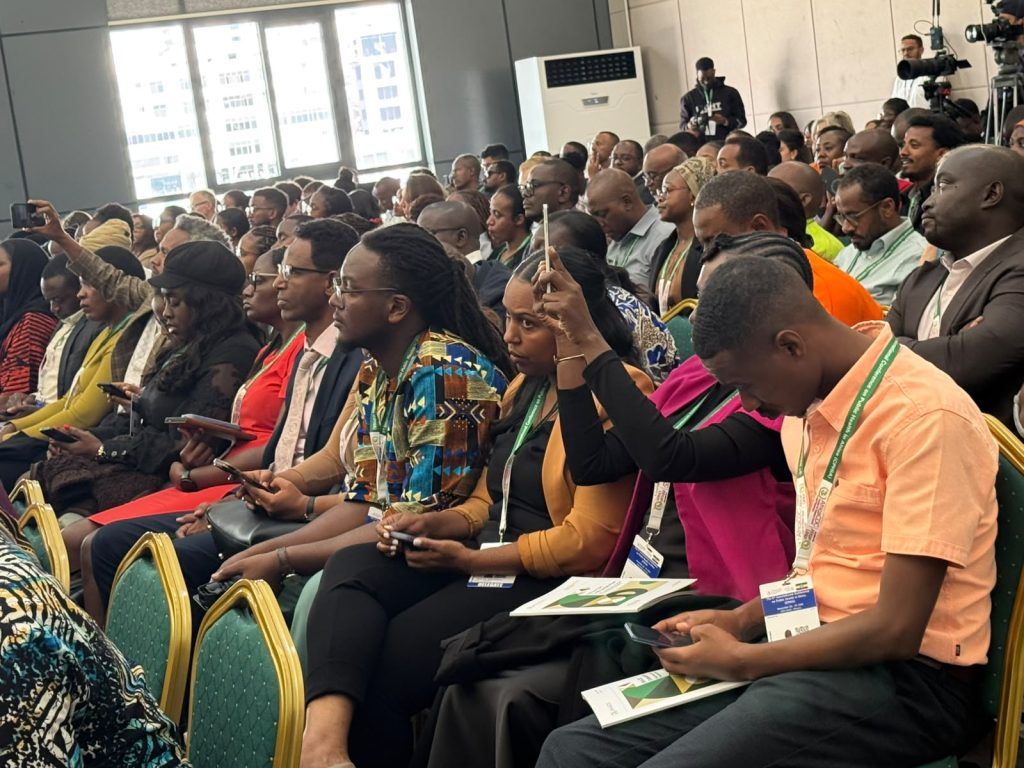
For APHF, the discussions reaffirm the Foundation’s commitment to mobilising resources and supporting African-led public health priorities that strengthen resilient health systems across the continent.