Turning African-led research into scientific evidence that informs policy, strengthens health systems and improves lives.
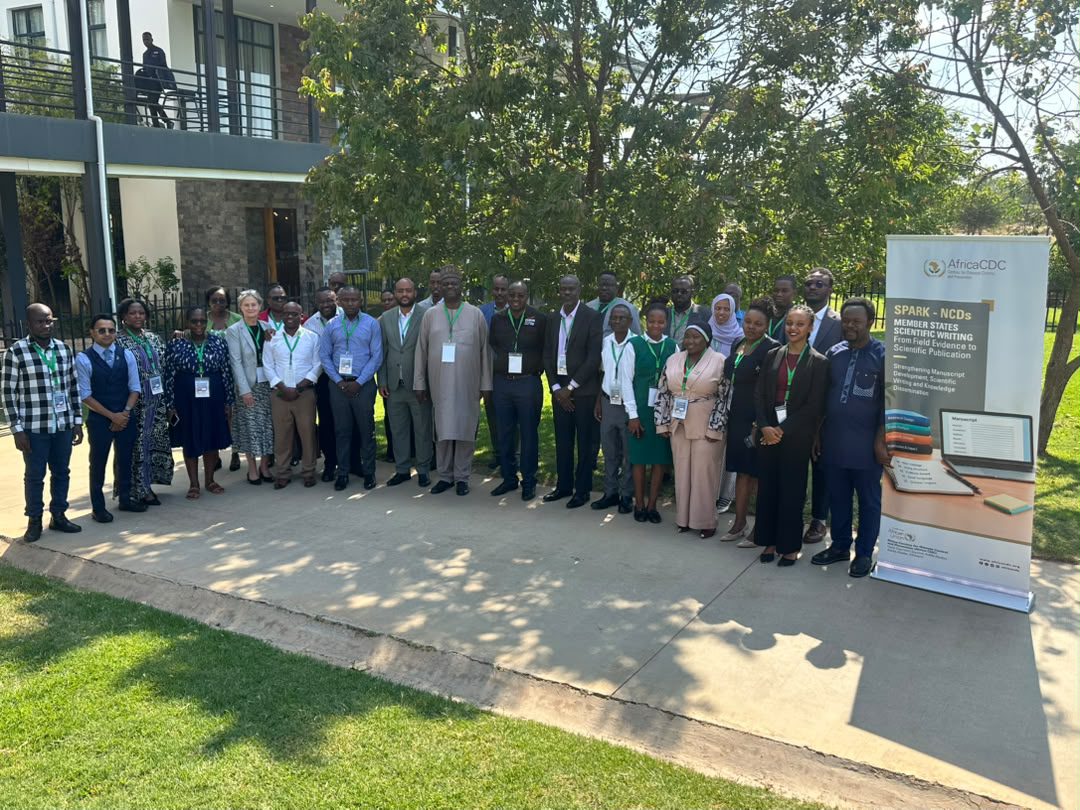
The journey from generating public health research to influencing policy requires more than data, it demands scientific collaboration, technical expertise and sustained investment in African research capacity. This was the focus as the Director General Zambia National Public Health Institute (NPHI) opened the workshop on behalf of the Zambia Government that is hosting the workshop and our CEO, Dr Ambrose Talisuna was a keynote speaker at the opening ceremony. Strengthening Public Health Surveillance and Resilient Knowledge for Non-Communicable Diseases (SPARK-NCD), is an initiative designed to help transform locally generated research into scientific publications that can inform public health decision-making across the continent.
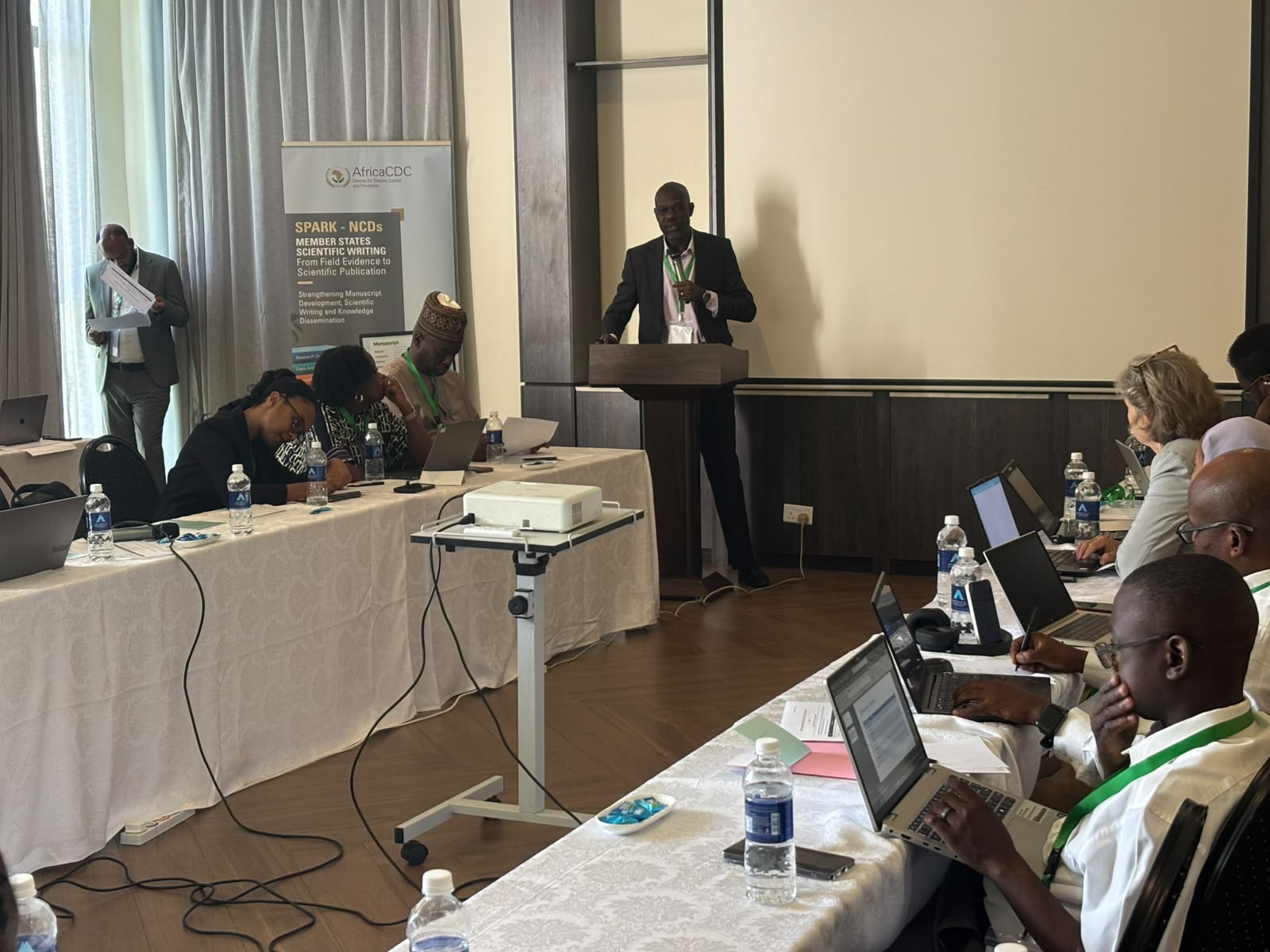
Implemented by the Africa Centres for Disease Control and Prevention (Africa CDC), the Strengthening Public Health Surveillance and Resilient Knowledge for Non-Communicable Diseases (SPARK-NCD) programme strengthens capacity in non-communicable disease surveillance, research and data use across African Union Member States. APHF manages the programme’s grant on behalf of Africa CDC, supporting efforts to strengthen public health research and institutional capacity.
Despite growing investment in public health research, translating findings into peer-reviewed publications remains a challenge. The workshop seeks to bridge this gap by bringing together researchers, mentors and technical experts to strengthen scientific writing, data interpretation and manuscript development.
The initiative brings together researchers, national mentors and technical experts from Rwanda, Tanzania, Ethiopia and Zambia. Fifteen selected abstracts will be developed through an intensive process involving methodological refinement, data analysis, interpretation of findings and scientific writing, with the aim of preparing manuscripts for submission to the Journal of Public Health in Africa.
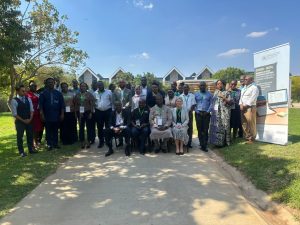
Beyond supporting individual researchers, the workshop will strengthen Africa CDC staff capacity in scientific writing, mentorship and editorial review, helping establish a sustainable pipeline for research development and publication.
For APHF, the initiative reflects the importance of partnerships that invest in African expertise, strengthen public health institutions and ensure that evidence generated on the continent informs decisions on its most pressing health challenges. As Africa continues to strengthen its response to non-communicable diseases, injuries and mental health conditions, initiatives such as SPARK-NCD demonstrate the value of connecting research, workforce development and knowledge dissemination to advance stronger, evidence-informed health systems.
“Knowledge becomes powerful when it is translated into action.”
