
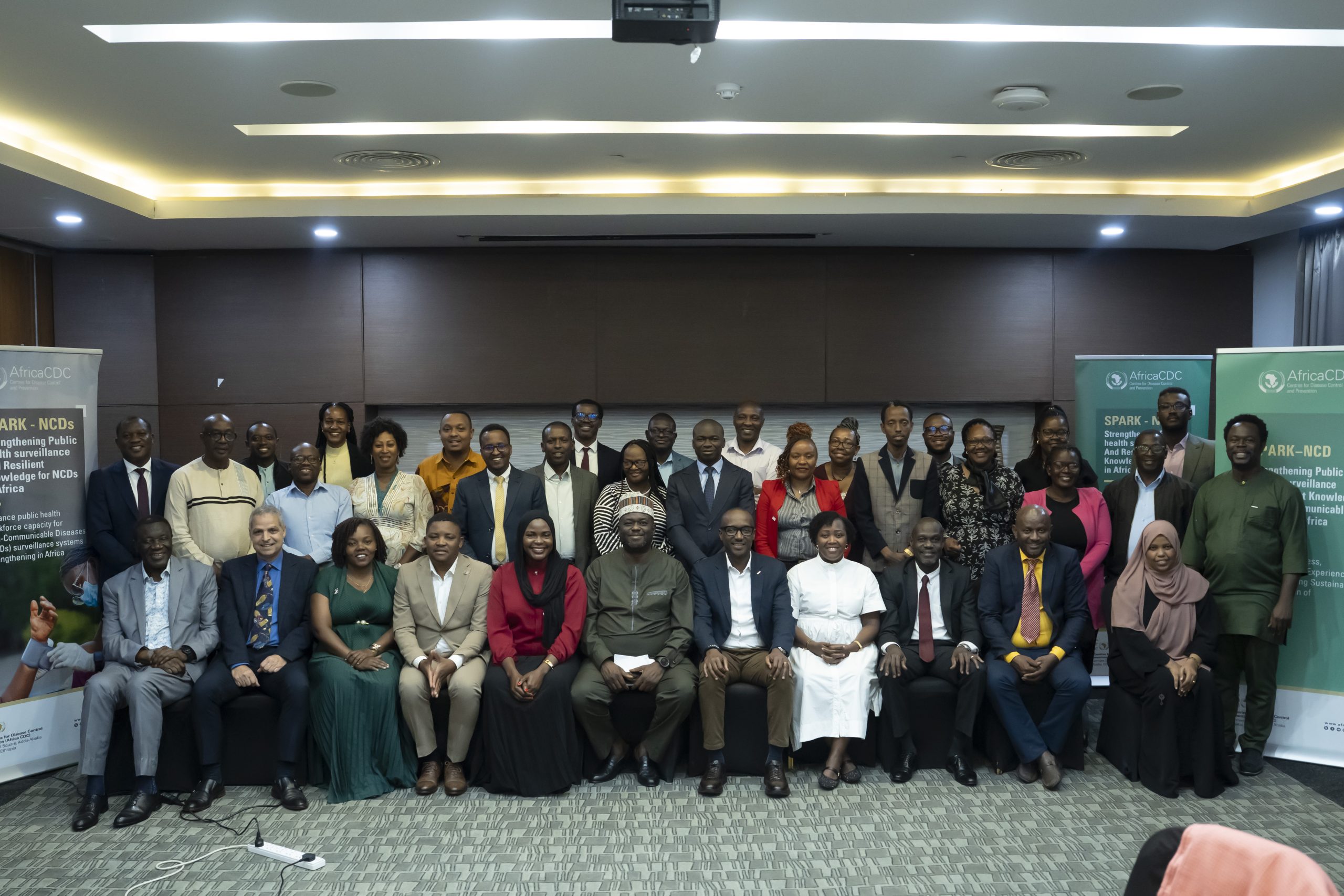
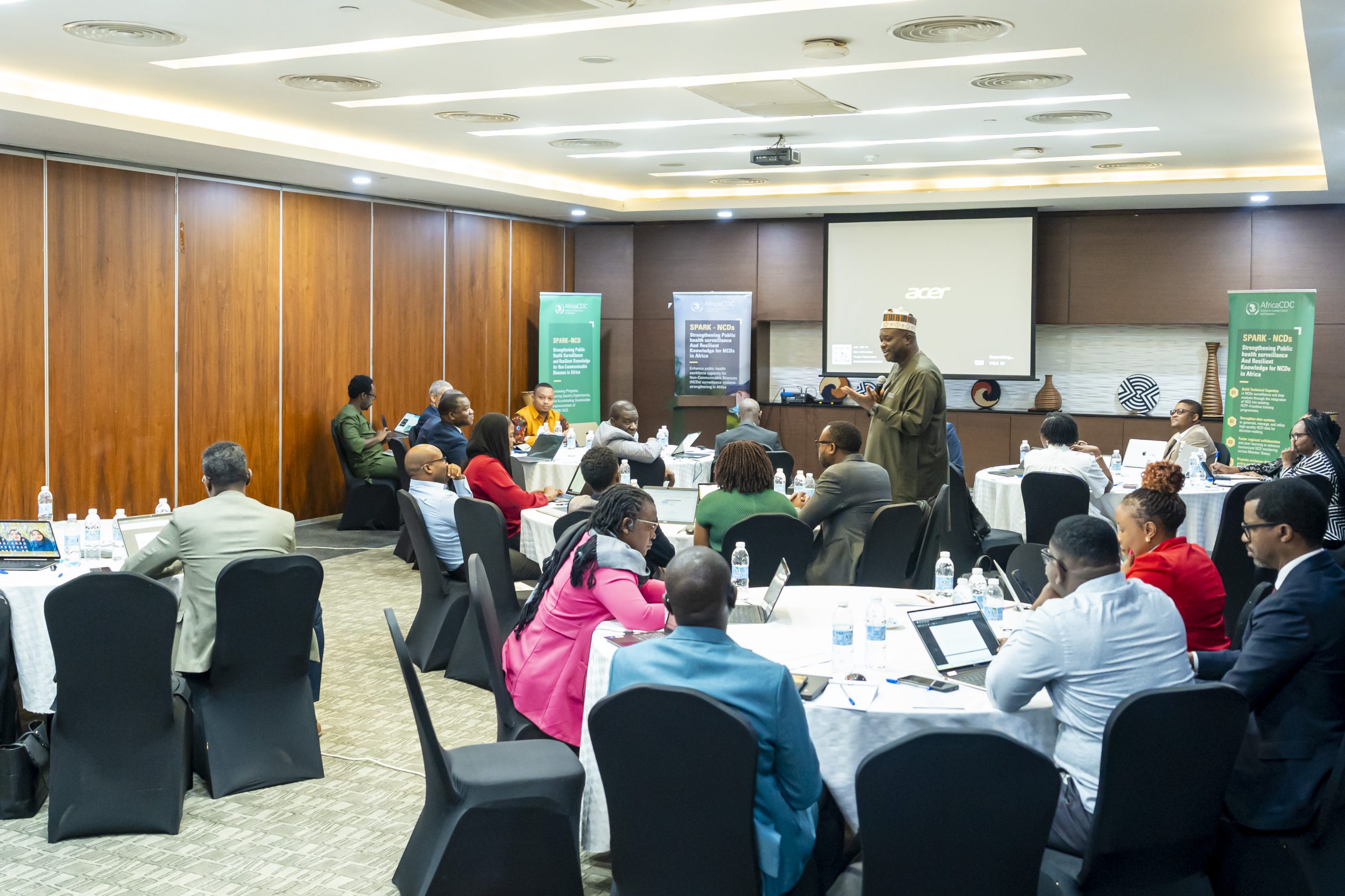
As African countries confront an increasingly complex health landscape, strengthening the capacity to prevent, detect and respond to non-communicable diseases (NCDs) has become an urgent continental priority. This was a central message at the SPARK-NCDs Mid-Term Review and Implementation Planning Meeting in Kigali, Rwanda, where the Africa Public Health Foundation (APHF), Africa CDC, the Novo Nordisk Foundation, Rwanda Biomedical Centre and representatives from Member States and partners convened to assess progress and chart the way forward.
Our CEO Dr. Ambrose Talisuna called for a paradigm shift in how African health systems are designed, financed and managed, emphasizing that the continent’s health challenges extend beyond the traditional burden of infectious diseases.Africa is increasingly navigating a poly-crisis involving communicable diseases, NCDs, humanitarian emergencies, epidemics, pandemics and natural disasters. Addressing this interconnected reality requires resilient, integrated health systems capable of responding to multiple threats simultaneously.
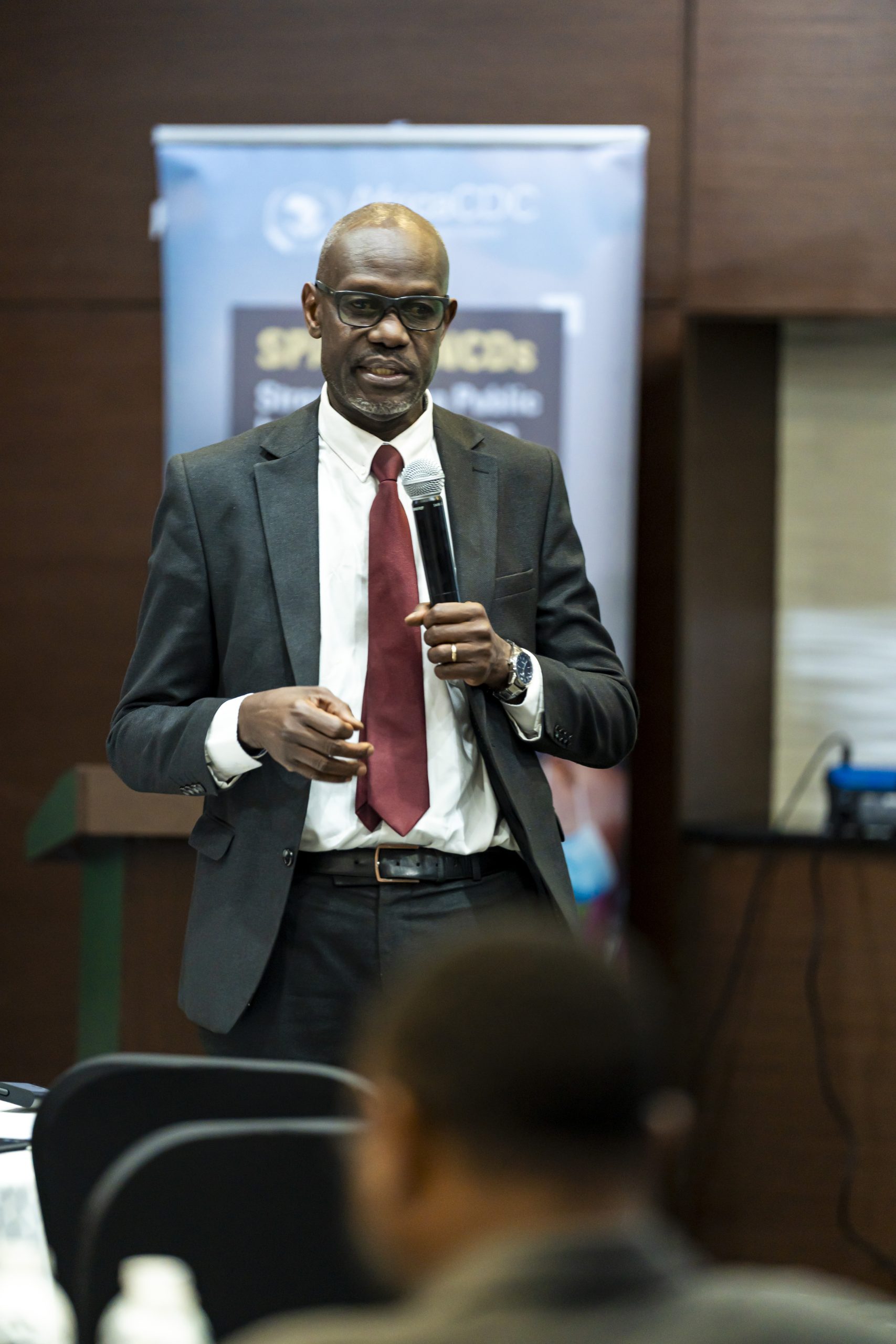 Dr. Talisuna highlighted the growing public health and economic consequences of NCDs, including cardiovascular diseases, cancers, chronic respiratory diseases, diabetes and mental health conditions. He underscored the importance of strengthening surveillance and generating reliable evidence to better understand the burden of these conditions and inform effective policies and interventions.
Strengthening Africa’s NCD Surveillance Workforce
The SPARK-NCDs programme is making important strides in strengthening Africa’s capacity to generate and use evidence for NCD prevention and control. A major milestone reported during the meeting was the training of 151 public health professionals across eight African Member States, surpassing the programme’s target of 150.Building on existing Field Epidemiology Training Programme (FETP) structures, SPARK-NCDs is equipping public health professionals with practical competencies in NCD surveillance, field investigations, data analysis, communication, advocacy and programme monitoring.
Its implementation model places strong emphasis on practical learning, with 75% of training dedicated to field-based activities and 25% to classroom learning. This approach enables participants to apply their skills to real public health challenges while generating evidence to inform country-level decision-making.However, participants noted that sustained impact will depend on addressing persistent challenges, including gaps in routine NCD data, varying country readiness, mentorship needs, coordination difficulties and competing national priorities.
Rwanda Offers Lessons in NCD Prevention and Financial Protection
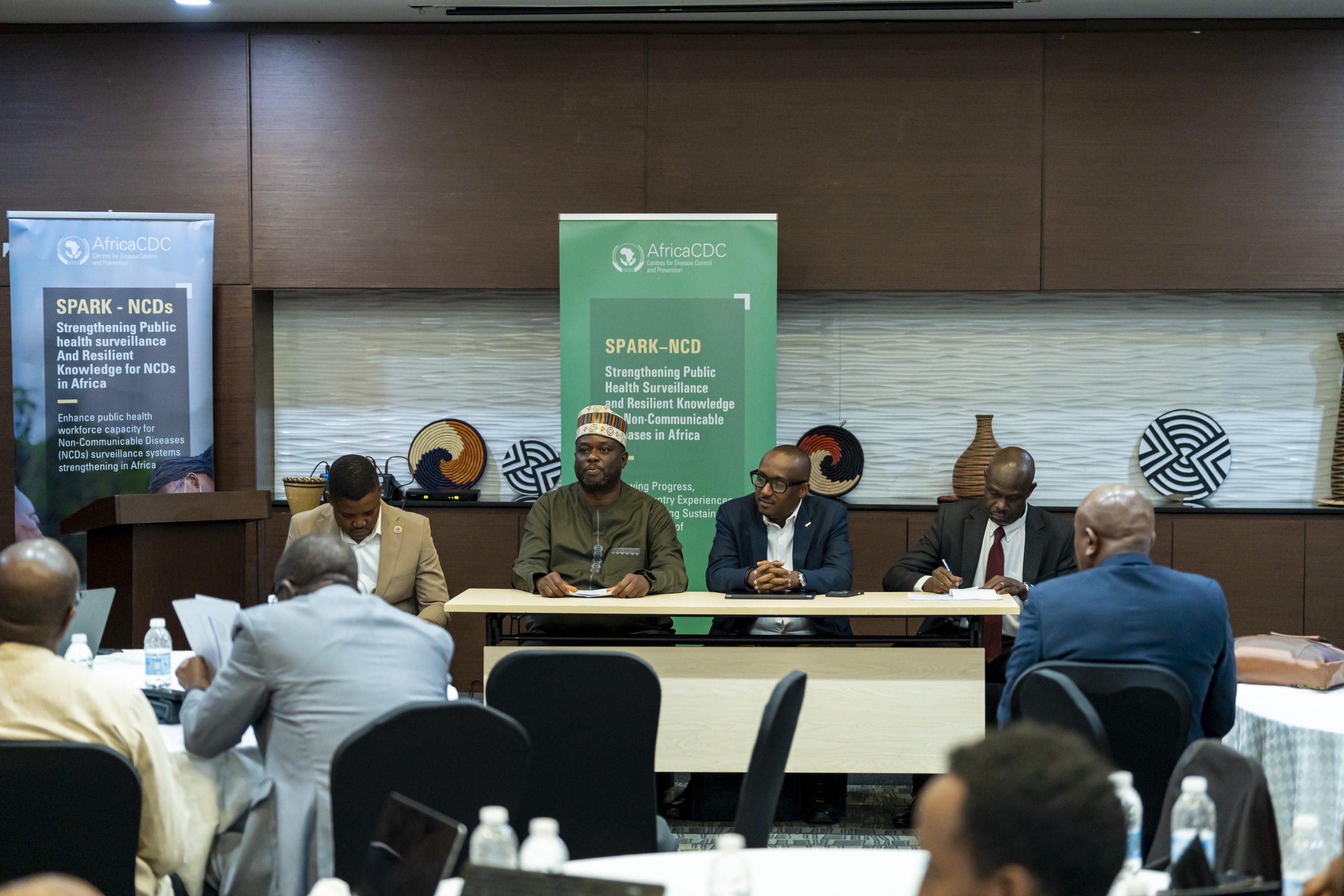
Rwanda was commended for its progress in NCD prevention and control, including a reported reduction of close to 28% in preventable NCD mortality.Dr. Talisuna also recognized Rwanda’s community-based health insurance scheme for strengthening financial protection and reducing the burden of out-of-pocket healthcare expenditure on patients.These experiences offer valuable lessons for African countries seeking to strengthen health systems, improve access to care and accelerate progress towards universal health coverage.
Financing Africa’s Health Future
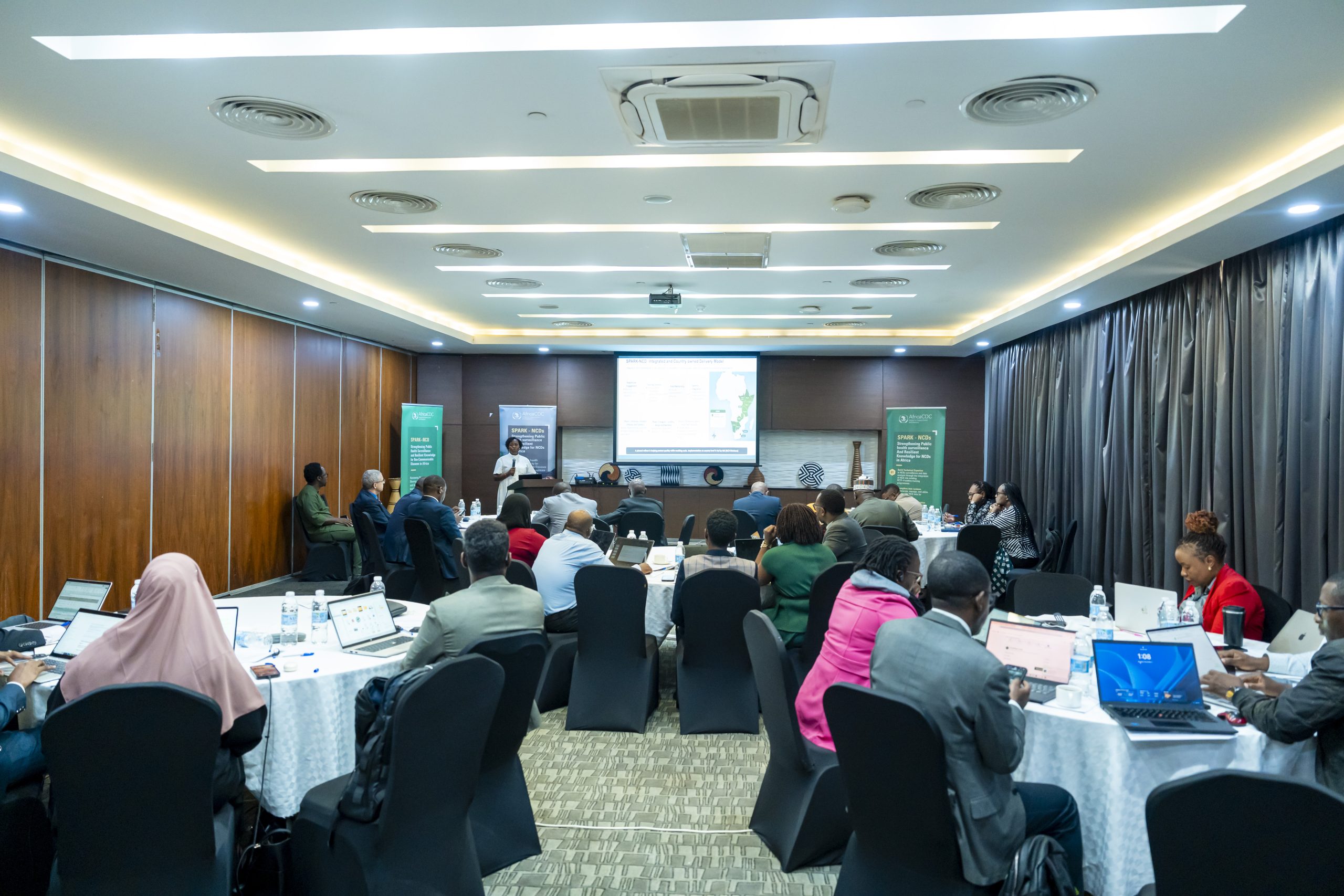
With declining overseas development assistance placing increasing pressure on health systems, Dr. Talisuna emphasized the need for African countries to mobilize greater domestic resources for health.He recognized President Paul Kagame’s leadership in championing domestic health financing and encouraged Rwanda to extend this advocacy across communicable diseases, NCDs and broader health security priorities.Sustainable health financing, he stressed, must be accompanied by strong institutions, reliable surveillance systems, skilled public health professionals and effective regional collaboration.
 From Training to Sustainable Country-Led Capacity
The meeting’s discussions reinforced the importance of embedding SPARK-NCDs within existing national public health institutions and FETP structures to promote sustainability and country ownership.
Key priorities emerging from Day One included strengthening mentorship, improving routine NCD data quality, adapting curricula to national priorities, supporting research and scientific publication, institutionalizing training programmes and establishing consistent monitoring and evaluation approaches.
Participants also emphasized the importance of developing African-generated evidence to inform national policies, strengthen programme implementation and guide investment decisions.
 APHF’s Commitment to Stronger African Health Systems
APHF remains committed to forging partnerships and mobilizing resources that support critical public health initiatives across Africa.Through collaboration with African institutions, governments, development partners and other stakeholders, APHF supports efforts to strengthen public health capacity, advance health security and build resilient health systems capable of addressing the continent’s evolving health challenges.
As the SPARK-NCDs programme enters its next phase, the message from Kigali is clear: Africa’s response to NCDs must move beyond training alone towards sustainable national capacity, stronger institutions, quality data, domestic investment and collective action.
The future of Africa’s health depends on the continent’s ability to build systems that are prepared not only for today’s challenges, but also for those yet to come.
Africa’s health. Africa’s capacity. Africa’s future.
