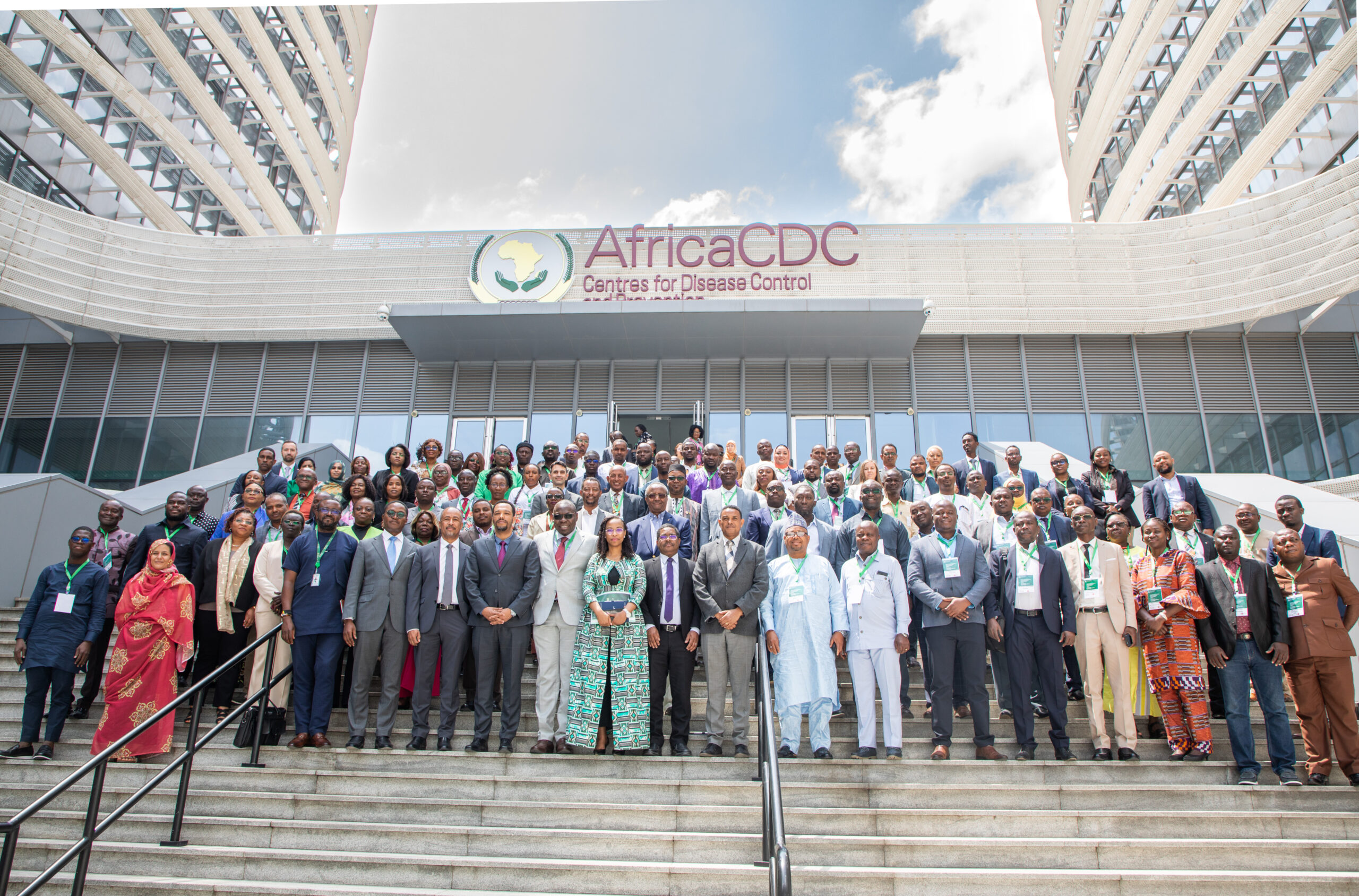
The Africa CDC Continental Microplanning Workshop for Accelerating Neglected Tropical Diseases (NTDs) And Malaria Elimination in Africa was held in Addis Ababa, Ethiopia from 16th to 19th June 2025, with participation from 48 member states. The workshop, funded by The End Fund brought together representatives from national NTD programs, and technical partners.
The main objectives of the workshop were to;
- Harness the critical recommendations and guidance from the Continental NTDs’ guiding documents (AU Continental Framework on Control and Elimination of NTDs, Africa CDC strategic documents, WHO NTDs Roadmap) to inform the development of the microplans and their subsequent implementation.
- Develop country-specific microplans to support efforts to eliminate NTDs.
- Mapping of existing resources and funding gaps required to sustain NTD interventions across health systems, including community health workers, laboratory systems, supply chains, operational research, health promotion, and one health coordination frameworks.
- Advocate for sustainable financing and domestic resource mobilization for NTDs, while positioning NTD investments as catalytic platforms for strengthening national health systems.
The opening ceremony featured high level panelists, including Dr. Bilguissou Blade (Africa CDC), Prof. Julio Rakotonirina (AU Commission), Dr. Ibrahim Soce Fall (WHO), Dr. Solomon Zewdu (The End Fund), and H.E. Dr. Dereje Duguma (Ministry of Health, Ethiopia). They emphasized political commitment, country ownership, and multisectoral collaboration as fundamental to delivering national plans and eliminating NTDs.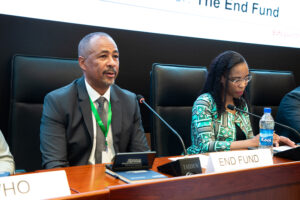
In her opening remarks on behalf of H.E. Dr. Jean Kaseya, the Chief of Staff and Head of Executive Office, Dr. Bilguissou Balde emphasized the urgent need to address NTDs, which continue to disproportionately affect vulnerable populations. Reaffirming Africa CDC’s commitment to the 2030 elimination targets aligned with the AU Continental Framework, she highlighted the growing challenges posed by declining external funding and called for sustainable, country-led solutions. She stressed that this effort is central to operationalizing the New Public Health Order and urged Member States to fully own and implement their plans as a strategic investment in resilient health systems and equitable care across Africa.
Professor Julio Rakotonirina, Director of Health and Humanitarian Affairs at the African Union Commission, linked NTD elimination to broader development objectives under the AU’s Agenda 2063: “Eliminating NTDs is more than a public health goal, it’s a lever for development. Developing the micro plan is just the first step. Success will depend on national ownership, resource mobilization, and, most importantly, effective implementation on the ground.”
Dr Ibrahima Soce Fall, WHO Global Director for NTDs, contextualized the scope of the challenge: “The African region is endemic for 20 of the 21 priority NTDs, affecting over 565 million people and accounting for 35% of the global burden.” He called for an integrated regional approach that strengthens coordination, improves budget efficiency, and streamlines resource mobilization across countries.
Technical presentations were delivered by member states and partner organizations, highlighting both achievements and challenges in the fight against NTDs. These discussions set the tone for the workshop highlighting key elements for strategies for success as well as solutions to address ongoing barriers.
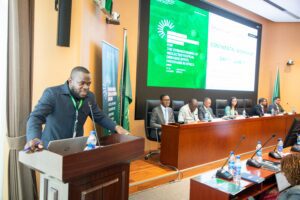
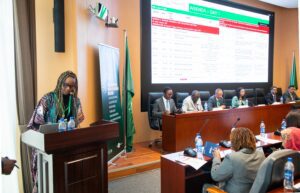
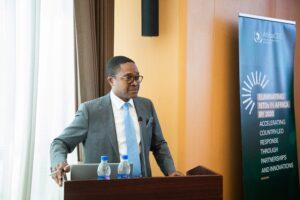
Dr Solomon Zewdu, CEO of The END Fund, emphasized the need to rethink health financing across the continent, noting the limitations of traditional aid-driven models: “We are at a critical turning point not just for eliminating NTDs, but for rethinking health financing in Africa.” He reaffirmed The END Fund’s commitment to supporting long-term, country-led solutions for sustained progress.
Dr Dereje Duguma Gemeda, Ethiopia’s Minister of Health, highlighted the workshop’s practical significance in terms of implementation at the country level: “This workshop will help countries put in place practical, data-driven plans that will enhance efforts to accelerate NTD elimination.” He also officially launched the 4-day micro planning workshop.
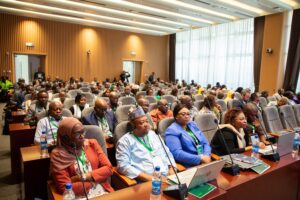
One out of every five people on the planet requires annual treatment to prevent NTDs. NTDs threaten more than 1.6 billion people including nearly 1 billion children with stunted growth, irreversible blindness, swollen limbs, and excruciatingly painful itching. The End Fund presented its integrated approach to eliminating six key NTDs (intestinal worms, river blindness, trachoma, lymphatic filariasis, visceral leishmaniasis and schistosomiasis) emphasizing collaboration with ministries of health, co-financing models, and innovative program delivery under the “One Plan, One Budget, One Measurement” framework. Africa CDC outlined their strategic priorities including the integration of NTD services at the primary healthcare level, workforce development, intersectoral collaboration, data-driven planning, and increased domestic financing.
APHF was highly involved in the organization and logistics of the event and received accolades for the seamless running of the workshop and the efficiency of the four APHF team members who were supporting the event in Addis Ababa. Both END Fund and Africa CDC expressed their satisfaction with the APHF team, and we look forward to this unlocking further opportunities with the END Fund.
“It was an honour to be involved in the critical planning of the logistics of the event and to deliver excellent execution from the APHF team. Both the END Fund and Africa CDC expressed satisfaction with how the event was organized and managed. We look forward to future collaboration,” reiterated Victor Kubende, Grants Management Lead, APHF.
Written by Eunice Chege
