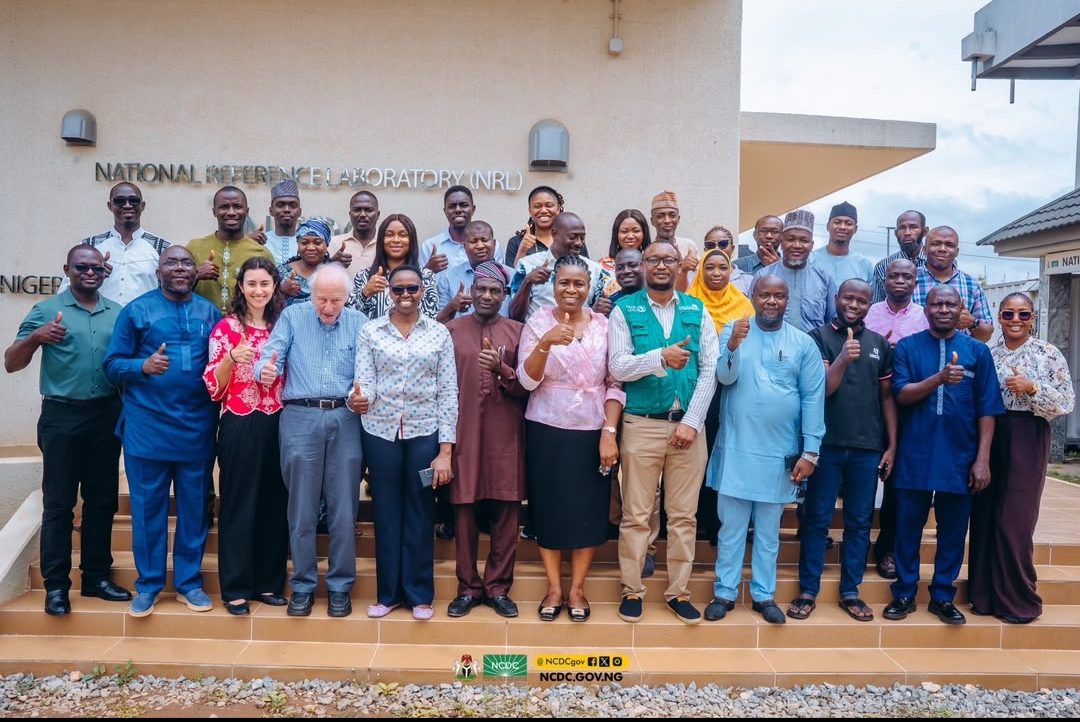
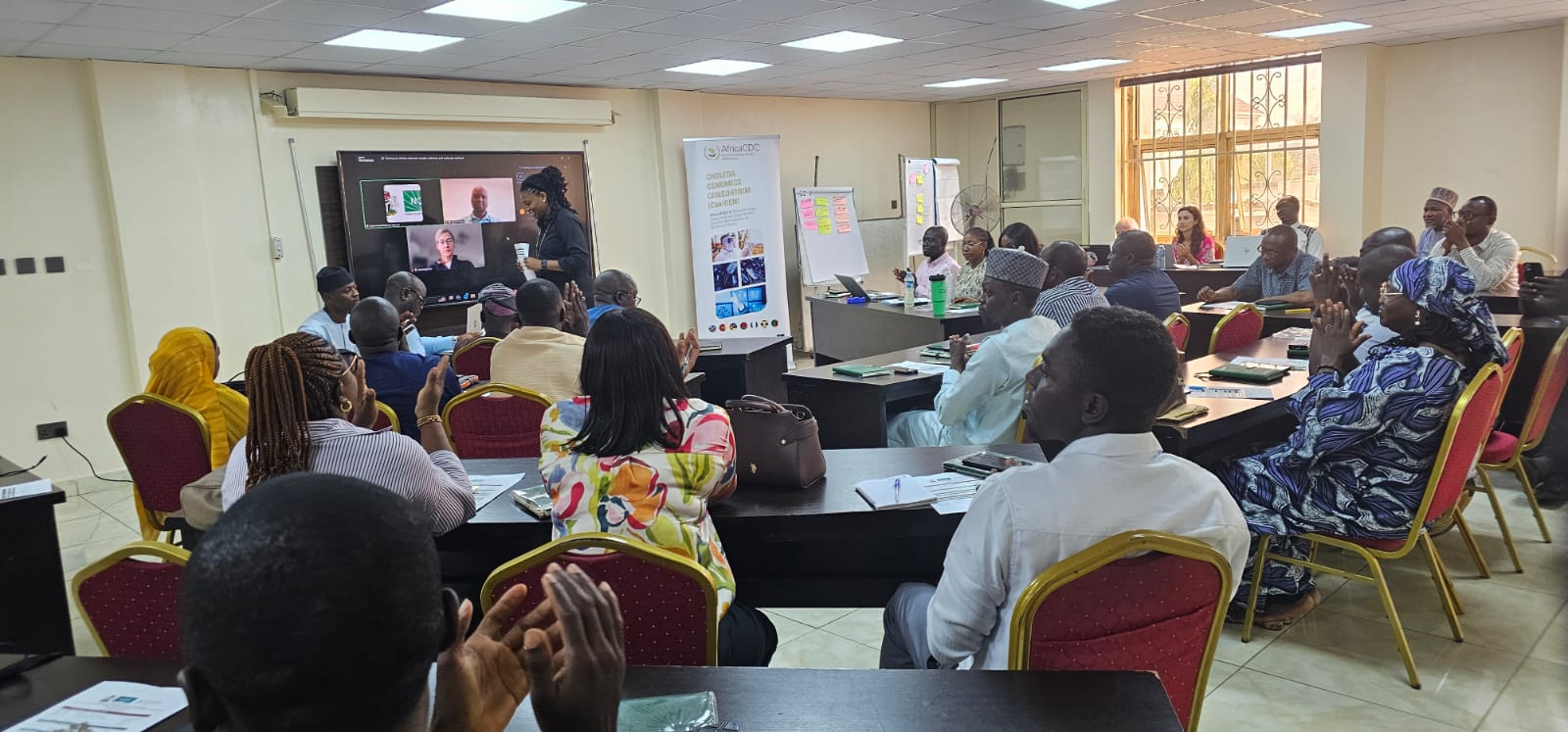
Nigeria has strengthened its capacity for cholera genomic surveillance following a three-day hands-on training that brought together surveillance and laboratory professionals to enhance skills in specimen collection, referral, laboratory confirmation and genomic surveillance. Held from 21–23 September 2026 at the National Reference Laboratory (NRL) of the Nigeria Centre for Disease Control and Prevention (NCDC) in Abuja, the training focused on strengthening the surveillance pathway from the field to the laboratory and ultimately to public health action.
The training was funded by the Gates Foundation through the Cholera Genomics Consortium (CholGEN) and organized by the Africa Centres for Disease Control and Prevention (Africa CDC) in collaboration with the African Public Health Foundation (APHF). APHF serves as the fiduciary manager of the CholGEN grant, supporting effective financial and grant management for implementation of the initiative. CholGEN is implemented through the Africa Pathogen Genomics Initiative (Africa PGI) and brings together Africa CDC, participating African Union Member States and international partners to strengthen local capacity to use genomic sequencing for cholera surveillance and response. Nigeria is one of seven AU Member States participating in the initiative.
Strengthening the surveillance pathway
The training underscored that effective genomic surveillance begins with the quality, representativeness and timeliness of specimens collected in the field. Participants explored practical approaches to developing sampling strategies suited to Nigeria’s surveillance needs, including the selection of surveillance sites, specimens and sampling schedules. The sessions also covered clinical, alternative and environmental specimen collection and preparation, including the use of Spira swabs for environmental sampling.
Through practical laboratory sessions, participants gained experience in preparing alternative specimens using filter paper, rapid diagnostic tests (RDTs) and alkaline peptone water, as well as DNA extraction from filter paper and RDT specimens. Participants also worked through BioPerfectus and LUNA qPCR workflows, strengthening their practical understanding of laboratory confirmation and interpretation of results.
From learning to implementation
A key outcome of the training was the development of a Nigeria-specific enhanced cholera surveillance action plan. Participants identified gaps and opportunities across specimen collection, referral and coordination and agreed on priority actions, responsible teams and timelines for follow-up. A health facility visit on the final day provided an opportunity to examine how the enhanced surveillance approach could be applied within existing systems.
The training was supported by technical experts from Africa CDC’s Centre for Laboratory Diagnostics and Systems, including Umar Ahmad, PhD, Senior Technical Officer – Pathogen Genomics, alongside David A. Sack, M.D., Professor at the Johns Hopkins Bloomberg School of Public Health.
 Strengthening genomic surveillance across Africa
 Strengthening genomic surveillance across Africa
The Nigeria training contributes to the broader continental effort to strengthen cholera genomic surveillance through CholGEN. By improving systems for specimen collection, referral, laboratory confirmation and genomic sequencing, participating countries are better positioned to generate timely and representative genomic evidence to support understanding of cholera transmission, circulating lineages, antimicrobial resistance and potential cross-border transmission.
The training also demonstrated the value of collaboration between Africa CDC, APHF, the Gates Foundation, national institutions and technical partners in building sustainable public health capacity and strengthening country-led surveillance systems.
As Nigeria takes forward the actions identified during the training, the enhanced surveillance approach will contribute to stronger links between field surveillance, laboratory systems and genomic evidence for public health decision-making.
