
APHF will join African health leaders and global health stakeholders at the 13th Tanzania Health Summit (THS 2026) in Dar es Salaam, under the theme “Building Health Sovereignty and Strengthening Health Systems in a Changing Global Order.”
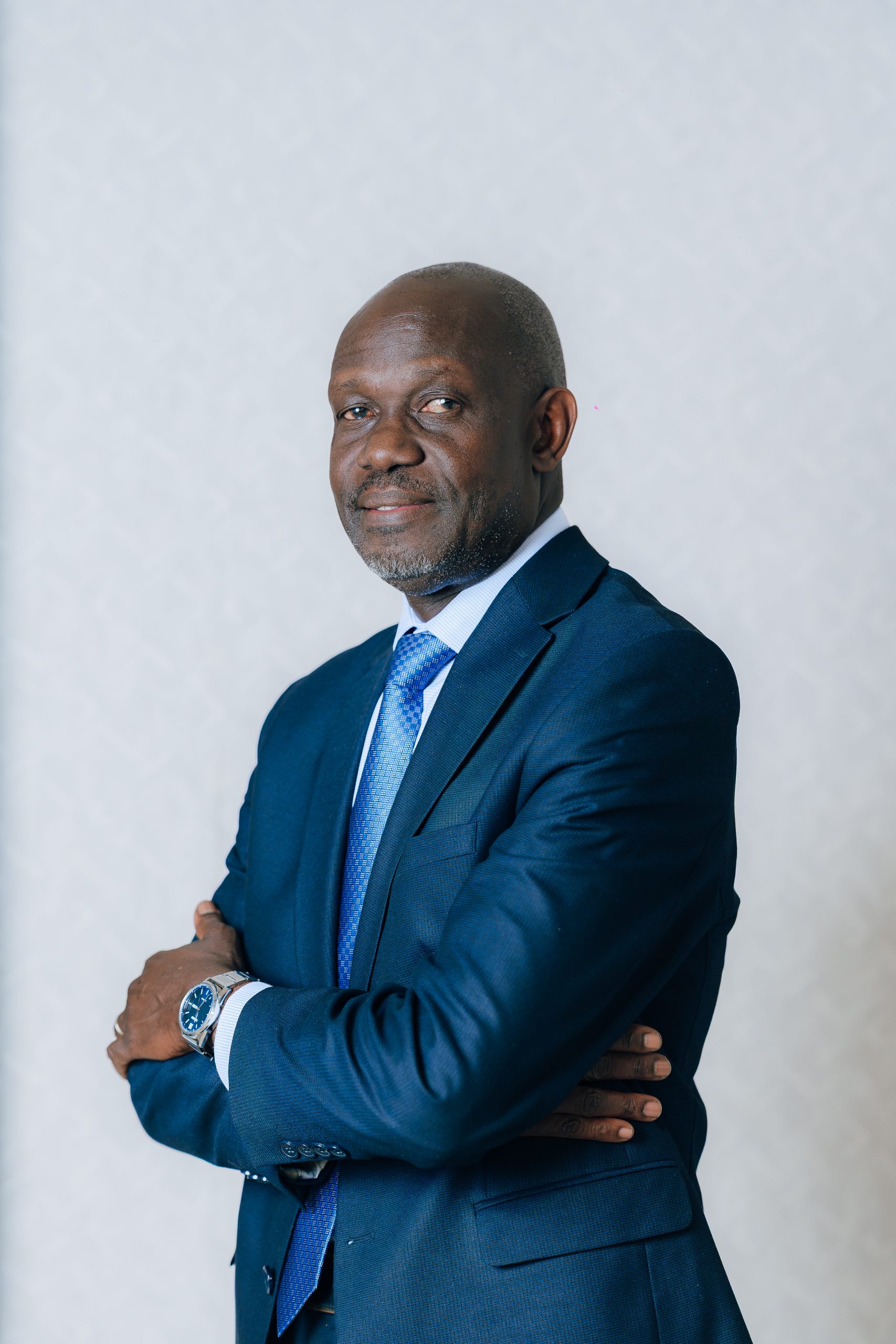
Our CEO, Dr Ambrose Talisuna, will be a panelist in the Summit Theme Plenary, contributing to a senior-level discussions on African health sovereignty, stronger health institutions, sustainable financing and a resilient health-security architecture. The conversation comes at a critical time as African countries seek to strengthen their capacity to lead and finance their own health priorities.
Held under the theme “Building Health Sovereignty and Strengthening Health Systems in a Changing Global Order,” the Summit provides a high-level platform for dialogue on Africa’s health security, resilient health systems and the continent’s capacity to lead and finance its own health priorities. The plenary will explore how governments, continental institutions and development partners can work together to strengthen—not substitute for—national and continental capacity. Key areas will include health financing, disease surveillance, laboratory networks, workforce development, emergency preparedness, and access to medicines and medical supplies.
A High-Level Conversation on Africa’s Health Security
The discussion comes at an important moment for Tanzania and the wider continent. Tanzania’s recent health-sector review highlighted progress in areas including health information systems, medicines availability and disease surveillance, while also identifying health workforce shortages, rising non-communicable diseases, fragmented digital systems, declining external financing and the need for stronger domestic health financing as continuing priorities.
Tanzania is also taking concrete steps towards greater health sovereignty. In 2026, the Government reported that the availability of essential health commodities had increased to 88%, up from 58% in 2021/22, while setting a target of 80% local production of health products by 2030.
These developments illustrate the broader issues that will shape the Summit’s conversation: how Africa can strengthen its institutions, mobilise sustainable resources, build local capacity and reduce vulnerabilities in critical areas of health security.
 APHF’s Role
 APHF’s Role
APHF’s participation in this high-level dialogue reflects its commitment to forging strategic partnerships and mobilising resources to strengthen African public health institutions and advance African-led solutions.
Dr. Talisuna will bring this perspective to the Summit, contributing to discussions on how governments, continental institutions and development partners can work together to build health systems that are more resilient, sustainable and capable of responding to emerging health threats.
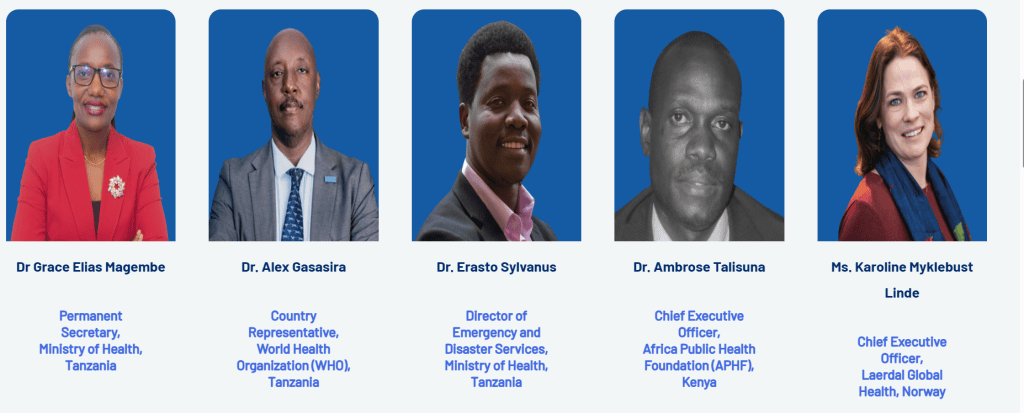 He will join his fellow panelists Dr. Alex Gasasira, WHO Country Representative for Tanzania; Ms. Judith Anyona, Program Lead, East Africa, WomenLift Health; and Ms. Karoline Myklebust Linde, CEO of Laerdal Global Health, in a session moderated by Dr. Grace Magembe, Permanent Secretary, Ministry of Health, Tanzania.
APHF looks forward to contributing to this important dialogue and advancing partnerships that support stronger, more resilient and sustainable health systems across Africa.
