
Africa must move beyond establishing genomic sequencing capacity to ensuring its long-term sustainability, national ownership and integration into public health systems.
Africa has made significant strides in strengthening its genomic surveillance capabilities, with sequencing capacity now established in 52 of the 55 African Union Member States through initiatives such as the Africa Pathogen Genomics Initiative (Africa PGI), led by the Africa Centres for Disease Control and Prevention (Africa CDC). This progress represents an important milestone in the continent’s ability to detect, monitor and respond to infectious disease threats. The next critical step is to protect these gains and ensure that genomic surveillance becomes a sustainable, nationally owned and fully integrated component of public health systems across Africa.
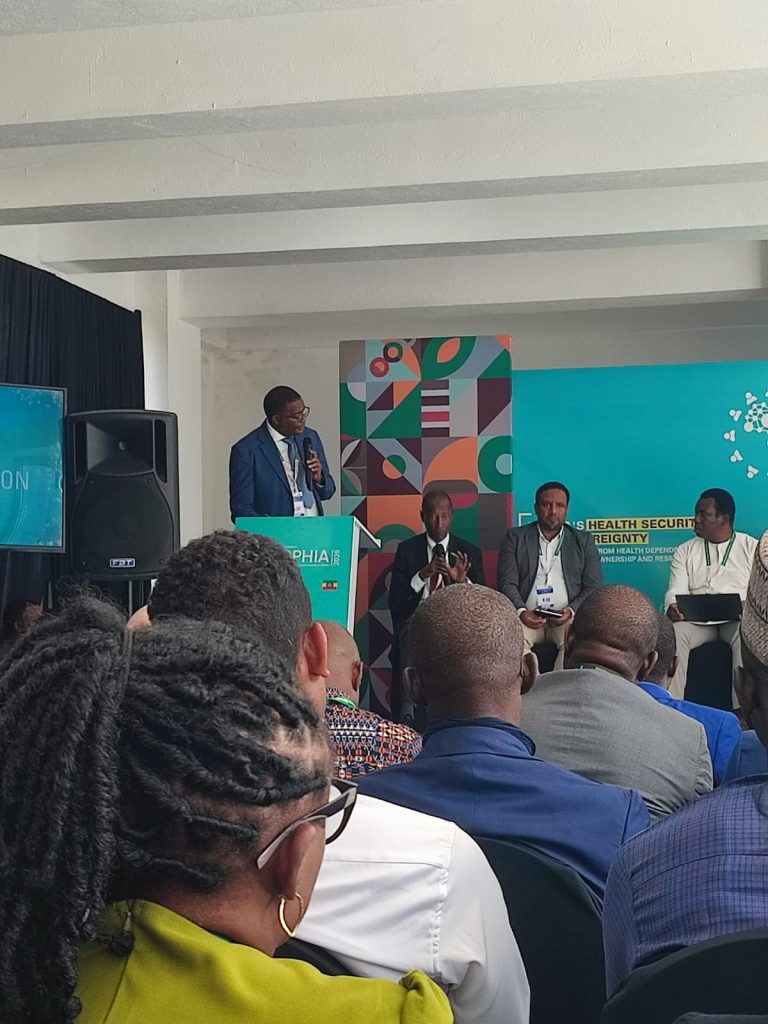
During a strategic discussion on the sustainability and future of genomic surveillance in Africa, held on the sidelines of the Fifth International Conference on Public Health in Africa (CPHIA 2026) in Addis Ababa, Ethiopia, public health leaders, country representatives, technical experts and development partners reflected on the progress achieved and explored practical approaches to sustaining these investments beyond external donor support.

The discussions aligned with the broader CPHIA 2026 agenda, held from 23–27 November under the theme, “Africa’s Health Security and Sovereignty: Transformation from Health Dependency and Vulnerability to Ownership and Resilience.” The conference reinforced the importance of African leadership, sustainable financing, stronger public health institutions and strategic partnerships in building resilient and self-reliant health systems.
From capacity building to sustainable national systems
Participants underscored the importance of strengthening government ownership and domestic resource mobilisation by embedding genomic surveillance within national health strategies, laboratory plans and government budgets. Sustainable financing must become a national priority, with external development assistance complementing rather than substituting domestic investment.Institutional capacity was also identified as a critical pillar of sustainability. This includes developing and retaining a skilled African workforce in genomics, laboratory science, epidemiology and bioinformatics, alongside strengthening institutional infrastructure, maintenance systems and the availability of essential laboratory supplies.Participants further highlighted the importance of effective data governance, responsible regional and international data sharing, and systems that ensure African countries retain appropriate stewardship of their genomic information.

Turning genomic intelligence into public health action
A key priority emerging from the discussion was the need to ensure that genomic data translates into meaningful public health action.Beyond generating sequencing data, countries must strengthen their ability to analyse, interpret and apply genomic intelligence to inform disease surveillance, identify emerging threats, track pathogen transmission, detect outbreaks and guide timely public health interventions.This requires stronger integration of genomic surveillance with national disease surveillance systems, epidemiological intelligence and emergency preparedness and response mechanisms.Africa CDC’s Africa PGI 2.0 framework provides an important foundation for this ambition, with priorities spanning workforce development, integrated genomic surveillance, timely data sharing and sustainable financing and governance mechanisms.
Regional collaboration and African innovation
Participants also emphasised the value of regional collaboration in addressing persistent challenges, including the high cost of reagents and equipment, supply-chain constraints and limited access to specialised expertise.Opportunities identified included pooled procurement, local manufacturing, shared technical capacity, regional laboratory networks and stronger collaboration between governments, research institutions, academia, the private sector and development partners.There is also significant potential to expand the application of genomic technologies beyond infectious disease surveillance to antimicrobial resistance, non-communicable diseases, cancer research, vaccine development and clinical research.Such an approach would maximise the value of existing investments, broaden the benefits of genomic technologies and strengthen Africa’s scientific and research ecosystem.
Advancing Africa’s health security and sovereignty

The discussions reinforced a clear message: Africa must move from building genomic surveillance capacity to sustaining, institutionalising and fully utilising it.Achieving this vision will require sustained political commitment, dedicated domestic financing, strong national institutions, a skilled workforce and strategic continental partnerships. It will also require African countries to take greater ownership of the systems, infrastructure, data and expertise that underpin their public health security.As highlighted throughout CPHIA 2026, Africa’s journey towards health sovereignty depends on translating continental commitments into practical investments, stronger institutions and sustainable solutions that respond to the health needs of its people.
APHF remains committed to supporting strategic partnerships and investments that strengthen public health institutions, mobilise resources for sustainable health systems and advance Africa’s health security and sovereignty agenda.
The future of genomic surveillance in Africa must not only be about what the continent can sequence today, but also about its ability to sustain, own and use that intelligence to protect the health of future generations.