
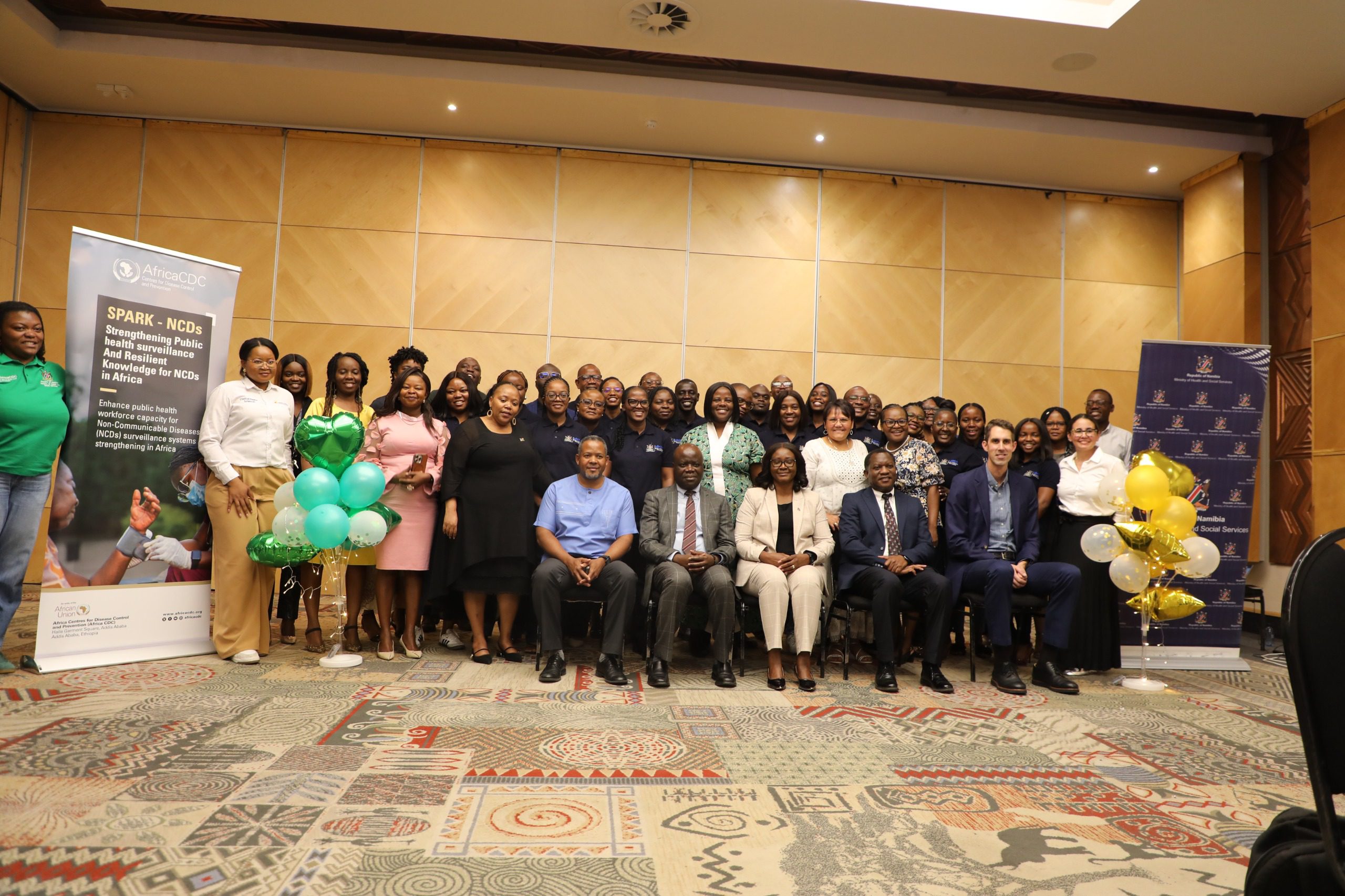
Strengthening public health surveillance, developing local expertise and turning evidence into action are essential to Africa’s response to non-communicable diseases.
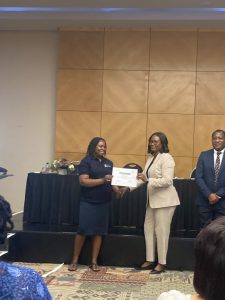
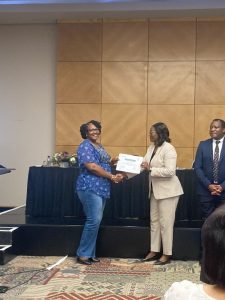
The Africa Public Health Foundation (APHF) has reaffirmed its commitment to strengthening Africa’s public health workforce following the graduation of a cohort of frontline health professionals under the Strengthening Public Health Surveilance and Resilient Knowledge for NOn-Communicable Diseases in Africa (SPARK-NCDs) programme in Windhoek, Namibia, on 15 October 2026.The graduation marked an important milestone in efforts to strengthen public health surveillance and build resilient knowledge for non-communicable diseases (NCDs) through Namibia’s Field Epidemiology and Laboratory Training Programme (NamFELTP).
Implemended by Africa CDC in collaboration with Namibia’s Ministry of Health and Social Services and other partners, the initiative equips frontline health professionals with practical skills to analyse health information, identify service gaps and generate evidence that can inform timely public health action.

Investing in African expertise to improve health outcomes
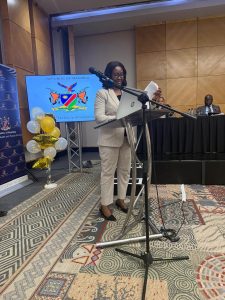
In his read speech, Dr Bernard Haufiku, Founder and Chair of APHF’s Governing Council, emphasised that developing Africa’s public health capacity requires sustained investment, strong institutions and collaboration across the health ecosystem. He commended Namibia’s Ministry of Health and Social Services for its leadership in bringing the programme to the country and highlighted APHF’s role in mobilising resources and connecting partners to advance shared public health priorities.
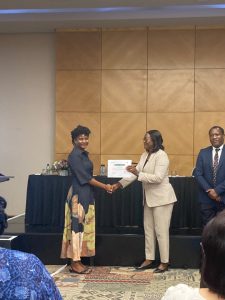
Turning health data into action
Non-communicable diseases, including cardiovascular diseases, diabetes and cancer, require health systems that can detect risks, monitor trends and respond effectively.The training equips frontline professionals to examine routine facility data, assess reporting quality, identify gaps in service delivery and communicate findings that can guide improvements in prevention, diagnosis, treatment and follow-up.
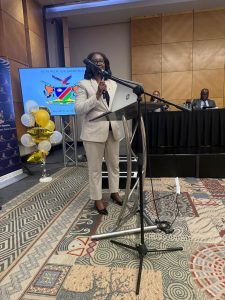
In her remarks ,Dr Naemi Shoopala, Director of Primary Health Care Services at Namibia’s Ministry of Health and Social Services, underscored the importance of moving beyond collecting figures to using reliable information to improve care.“The real value of surveillance, she emphasised, lies in helping health workers recognise warning signs, investigate gaps and take timely action that responds to patients’ needs.”For the graduates, the next step is to apply their knowledge within their facilities, districts and regions—ensuring that evidence informs better decisions and more responsive services.
A partnership-driven approach to Africa’s health security
APHF’s support for the SPARK-NCDs initiative reflects its wider mission as a resource mobilisation entity of Africa CDC, helping mobilise and channel resources towards public health priorities across the continent. It continues to support Africa CDC’s priorities, including strengthening the public health workforce, building robust public health institutions and advancing local manufacturing of health commodities. As the graduates return to their workplaces, their achievement carries a broader responsibility: to transform knowledge into action, improve the quality of public health information and help ensure that services reach the people who need them.


APHF remains committed to advancing Africa’s health security and sovereignty agenda by connecting resources, partnerships and African expertise to the public health priorities that matter most because a healthier Africa is built not by one institution working alone, but by a continent working together.
